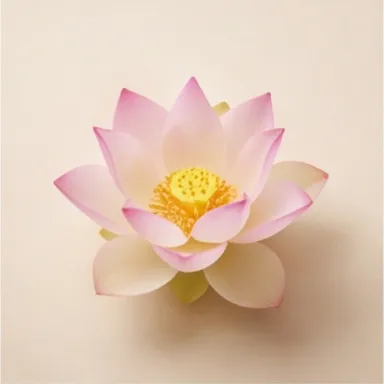
Lotus
A light, watery flower scent with soft sweetness, green freshness, and a faintly powdery feel.
Where it comes from
Usually blended from aroma chemicals rather than extracted from lotus flowers.
Worth knowing
Usually an accord, not an extract from lotus flowers.
About lotus
The flower behind the name is the sacred lotus, Nelumbo nucifera, an Asian water plant whose blooms can reach 35 cm across. Wild plants range from East Asia, north to the Amur region, through northern Indochina and into central and northern India. Blue lotus, Nymphaea caerulea, is a different species, a water lily that has been used to make perfumes since ancient times.
Whether the sacred lotus gives a usable extract depends on who is asked. One fragrance site states that natural essential oil cannot be directly extracted from lotus petals and that the note is mostly synthetic. ScenTree, a trade reference, lists a pink lotus absolute all the same. The flowers go into warm hexane for several hours to make a concrete, which is chilled in alcohol so the waxes precipitate, then filtered and evaporated. Manekancor, a producer in India, describes the same solvent route and a reddish-brown, molasses-like absolute, and says it takes thousands of flowers to get one drop. Its pages add that the lotus is India's national flower.
A trade glossary calls it dense, honeyed and earthy-sweet, with a coumarin-like warmth, leathery spice and a surprising animalic depth. ScenTree says it is used only in fine fragrance, to give some white-flower notes a natural effect and others a cosmetic, slightly animalic one. The same glossary describes the synthetic lotus by its transparency and spatial openness. The glossary also quotes about 3 tonnes of flowers for 1 kg of oil.
The watery version has a datable background. Calone was discovered by Pfizer in 1966. It has been used as a scent component since the 1980s and became a dominant note in marine-trend perfumes from the 1990s. Sources differ on what defines a lotus accord. That glossary names Calone, Hedione and Helional, while a note guide from Fragrenza names no materials and speaks only of ozonic, white-floral and green ones.
Accords it shows up in
How many of the fragrances listing Lotus in our catalogue also carry each accord. We counted this ourselves.
Often paired with
The notes that appear next to Lotus most often in our catalogue.










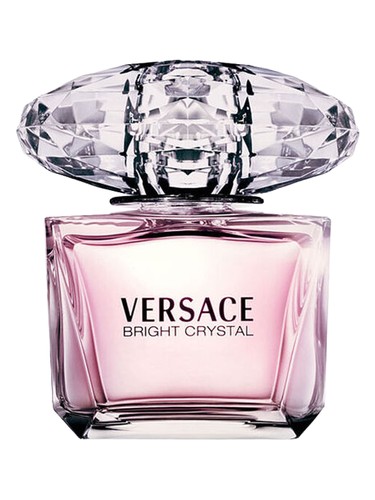
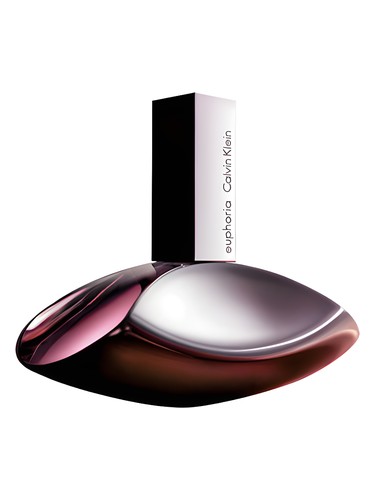
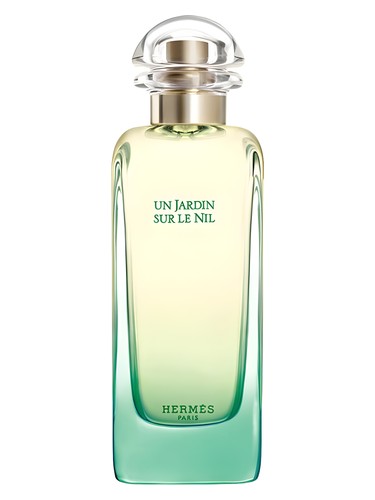
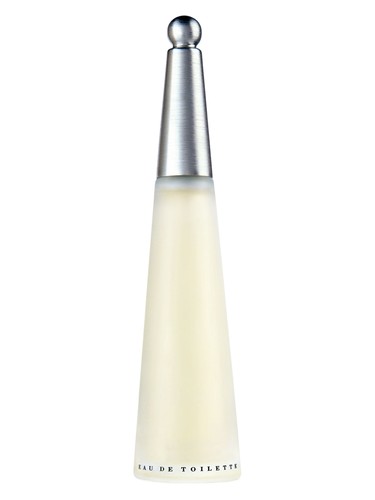
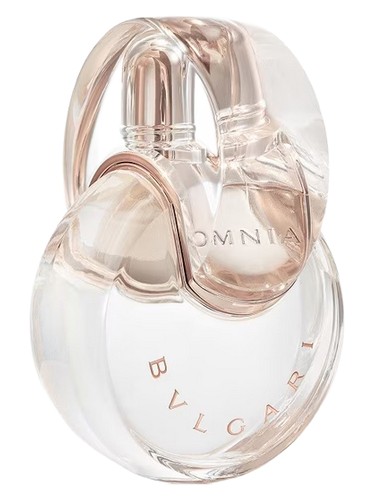
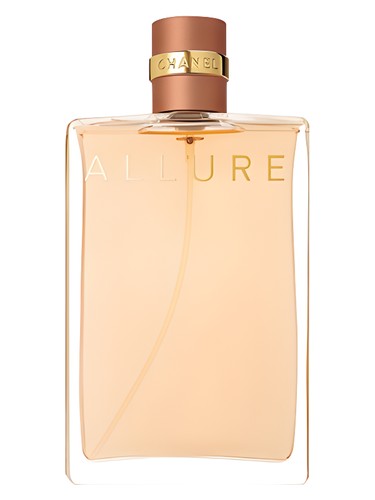
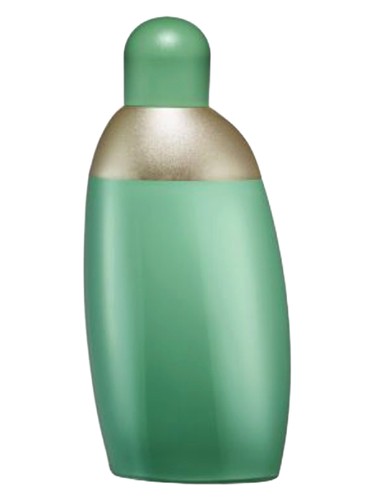
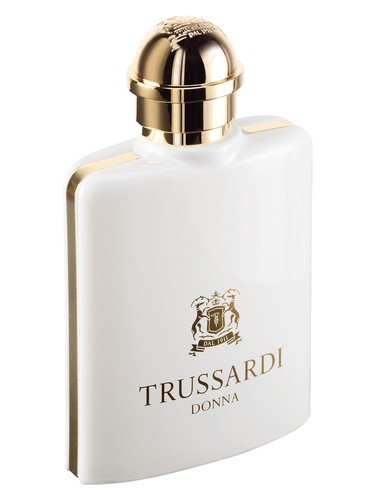
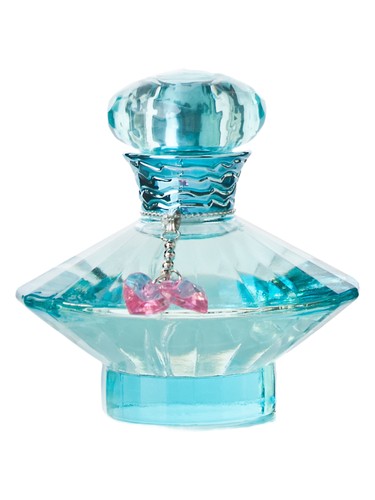
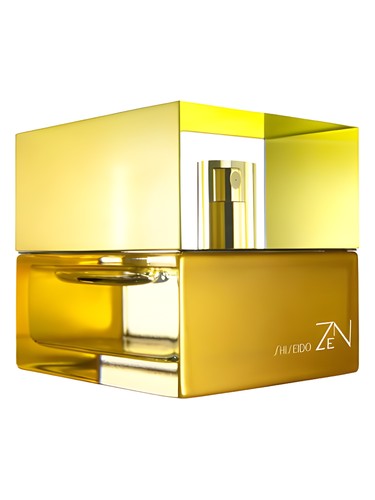
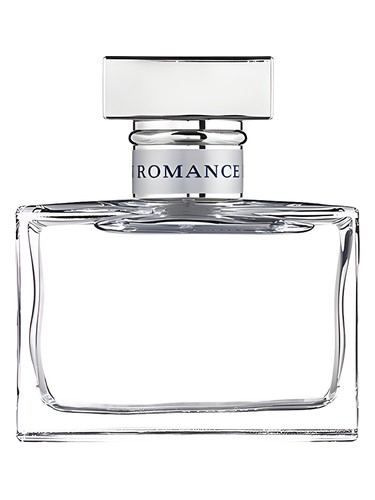
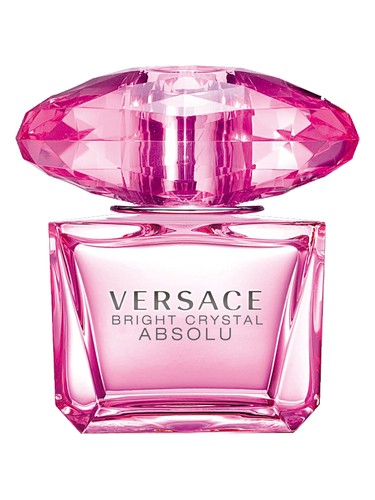
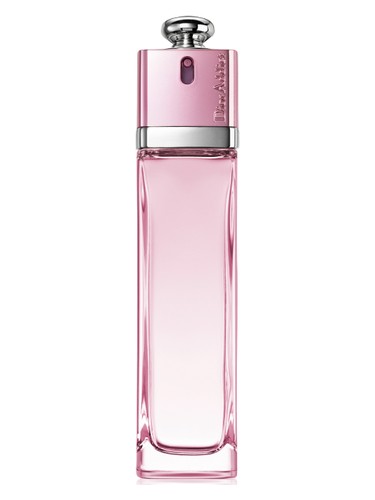
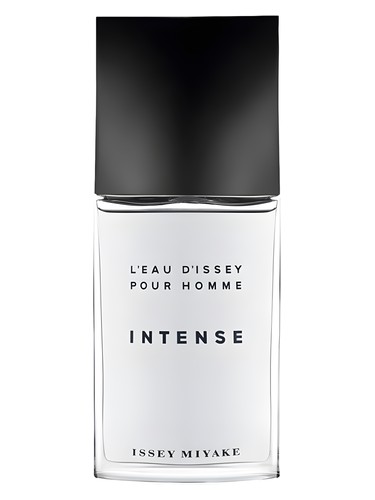
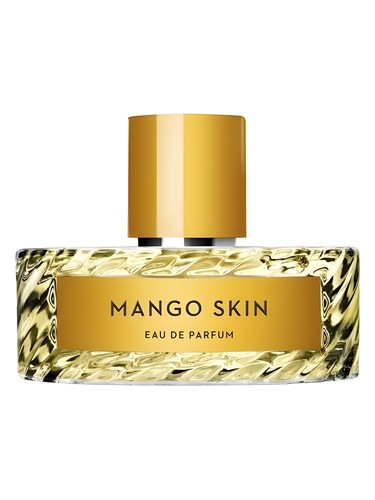
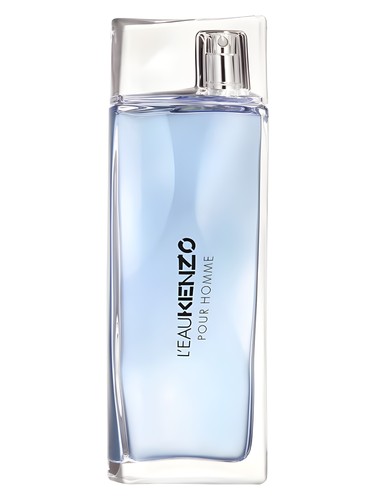
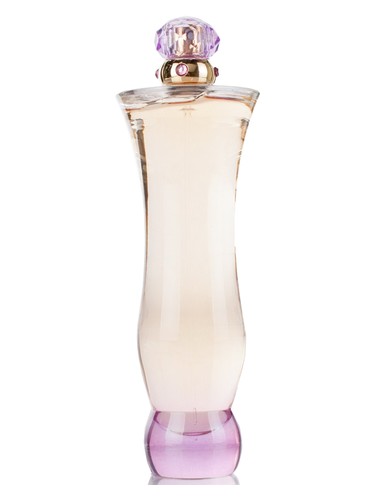
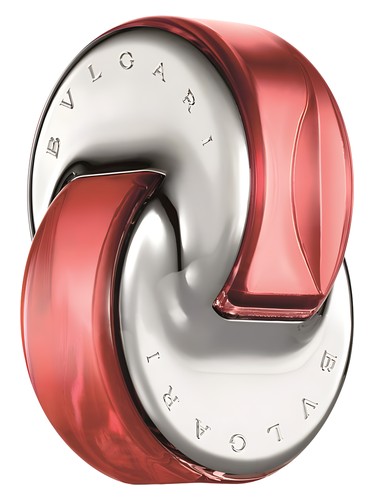
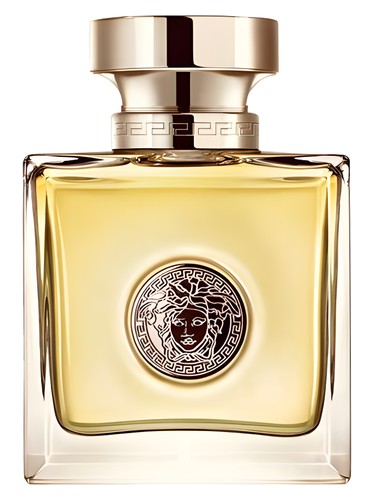
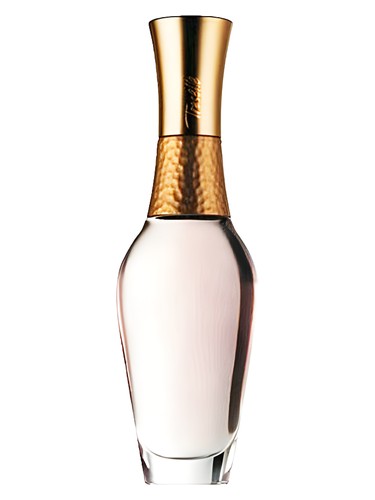
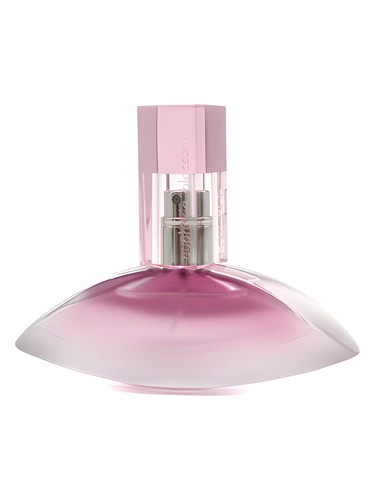
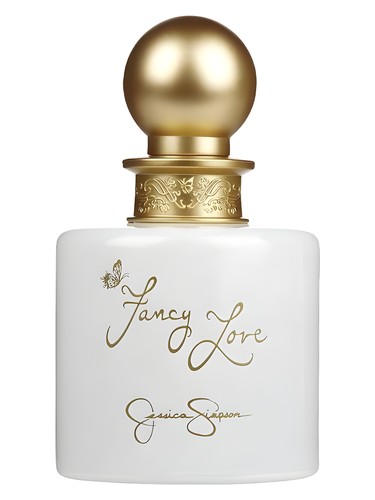
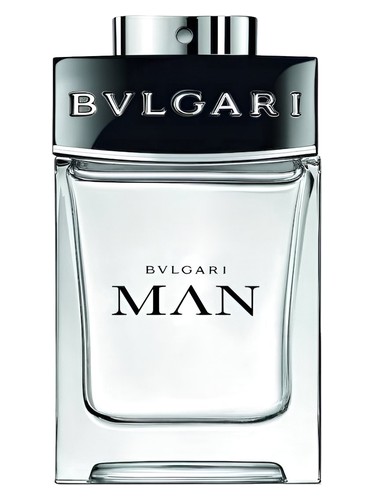
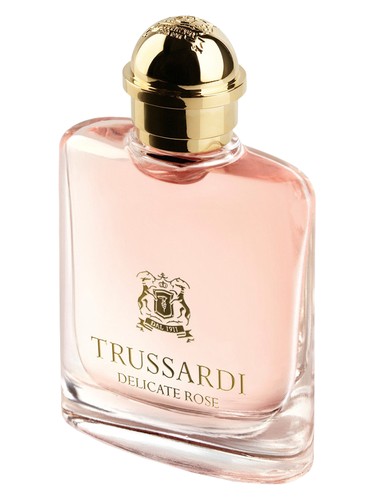
Well-known fragrances with Lotus
Fragrances that list it in their notes, most-rated first.
Houses that use it most
Ranked by how many of their well-known fragrances list Lotus.