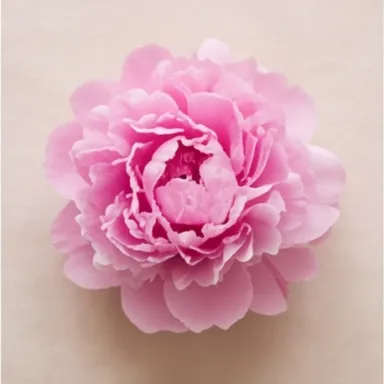
Peony
A dewy pink flower scent, soft, fresh, slightly rosy, and often touched with a green crispness.
You may know it from a freshly cut peony bouquet
Where it comes from
Recreated from aroma chemicals because peony flowers yield no practical perfume extract.
Botanical name: Paeonia
Worth knowing
Peony perfume is an accord, not oil distilled from peony flowers.
About peony
Plenty of peonies hardly smell at all. In one study of 87 herbaceous cultivars, only 16 had a strong fragrance, and about half had none or a light scent. Most peonies are herbaceous perennials, with a few woody shrubs among them, and their large flowers come in purple, pink, red, white or yellow.
The ones that do smell strongly fall into types. Rose-scented cultivars are led by citronellol, 2-phenylethanol and geraniol, lily-scented ones by linalool, and some are a mix of the two. Another review ties woody notes to beta-caryophyllene and an orange-blossom note to nerol. Tree peonies usually have a more intense scent than herbaceous ones, and they show a wider spread of types, including a grassy one that comes from ocimene.
None of this reaches the bottle directly. The Perfume Society, among others, says the petals are too fragile and elusive for extraction. One brand guide adds that solvent extraction gives only a waxy, weak concrete with negligible resemblance to the living flower. So perfumers build the note, and the Perfume Society lists rose, lily-of-the-valley, watery notes and subtle fruity facets as the ingredients. A supplier page says phenylethyl alcohol, a mild rose-like material found in rose oil, enhances muguet, lily and peony structures. Givaudan sells a molecule called Peonile, which it describes as geranium-rosy and floral, though it positions it mainly for fabric care and functional perfumery, citing high substantivity on laundry. One brand guide describes a finished peony accord as fresh, rosy and airy, with subtle powdery and green nuances, sitting in the heart of a composition.
The flower has a long record in China. Ornamental varieties became popular in the imperial gardens of the Tang dynasty, and Luoyang was the main centre of cultivation under the Song. In Chinese art the tree peony is called king of the flowers, and the Perfume Society reports the same phrase as a symbol of prosperity. The Qing dynasty declared the peony China's national flower in 1903. A poll in 1994 backed it again, but the National People's Congress did not ratify the choice.
Accords it shows up in
How many of the fragrances listing Peony in our catalogue also carry each accord. We counted this ourselves.
Often paired with
The notes that appear next to Peony most often in our catalogue.










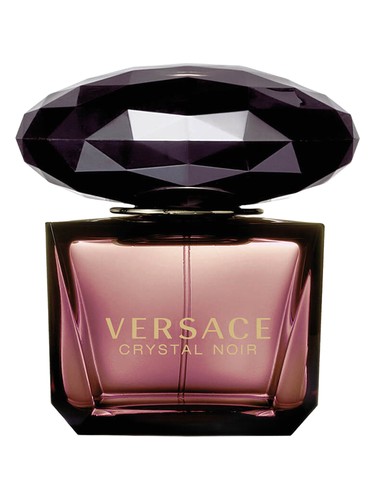
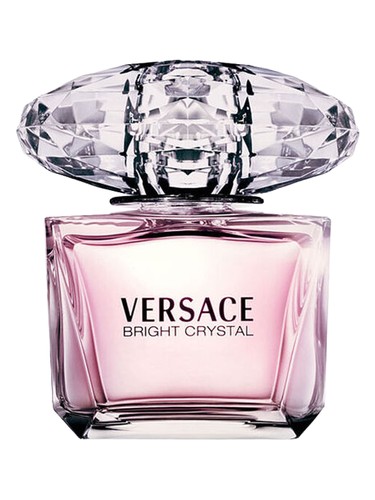
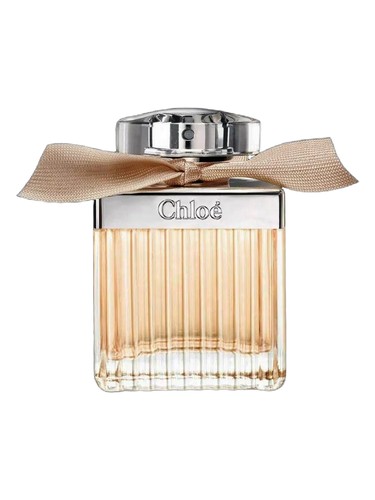
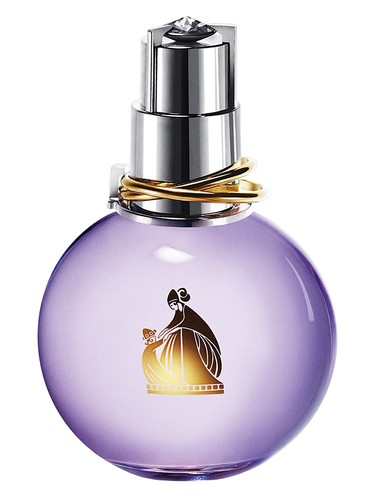
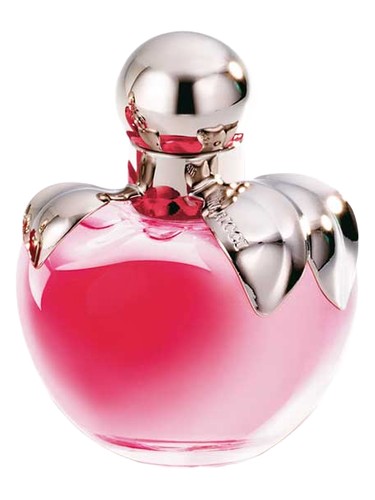
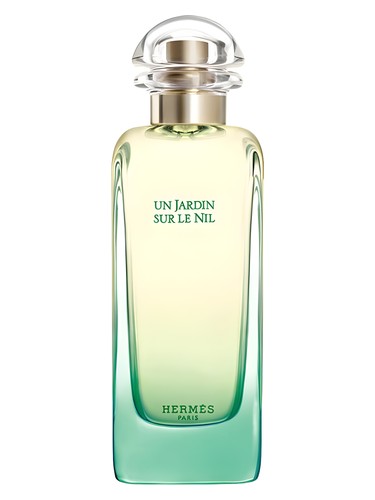
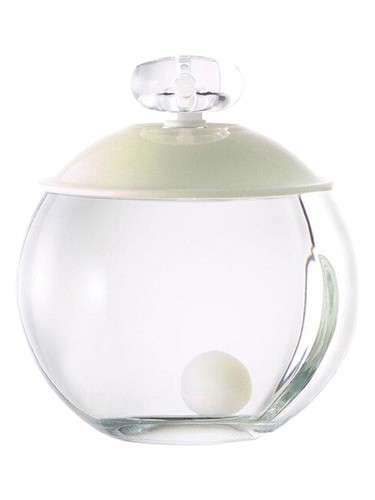
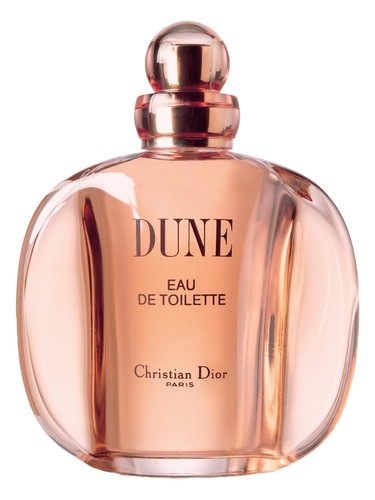
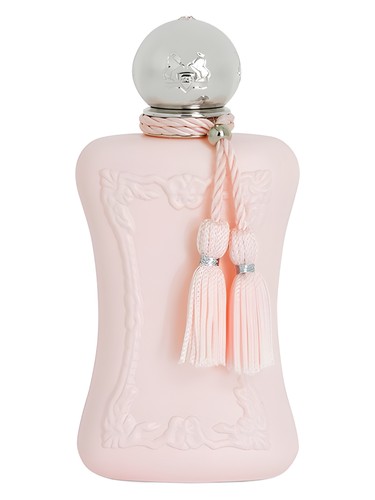
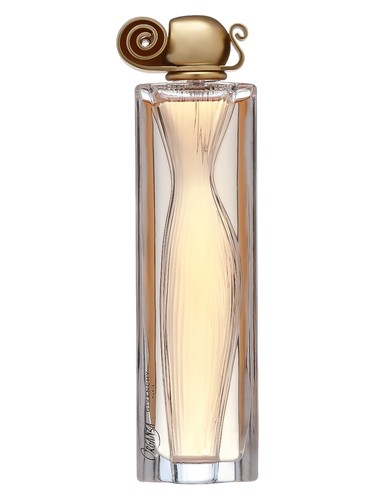
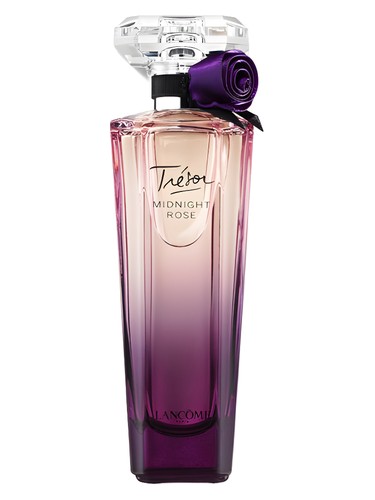
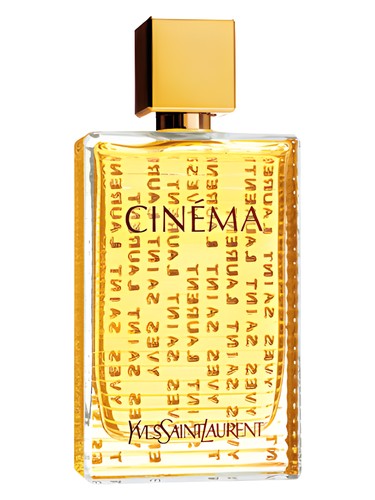
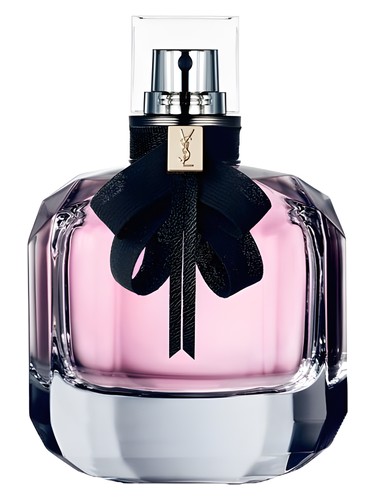
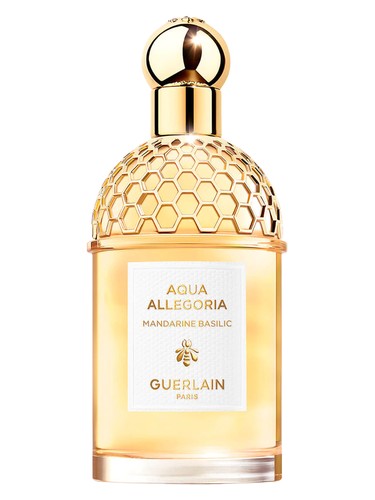
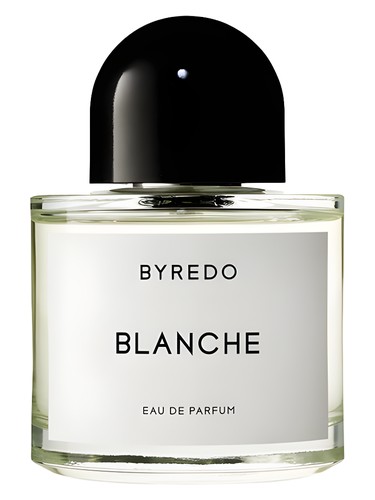
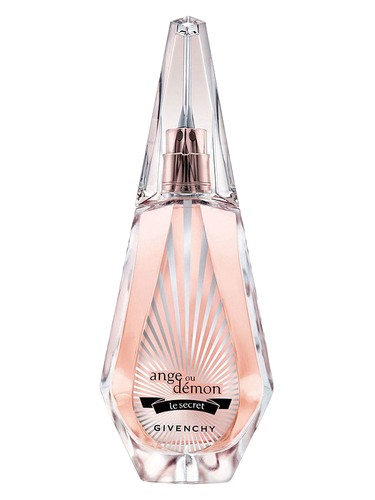
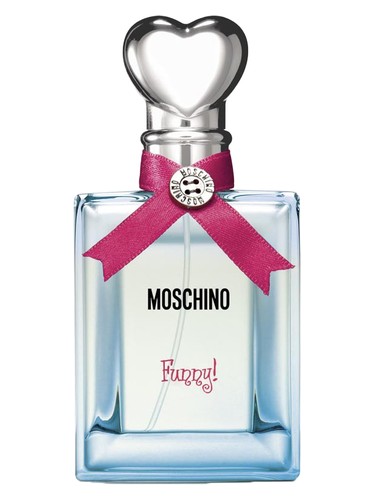
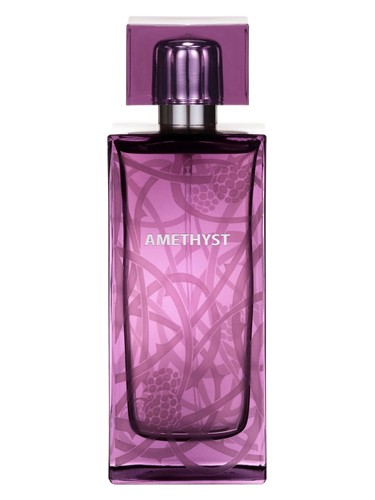
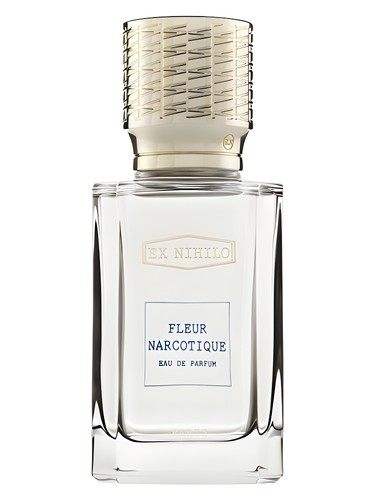
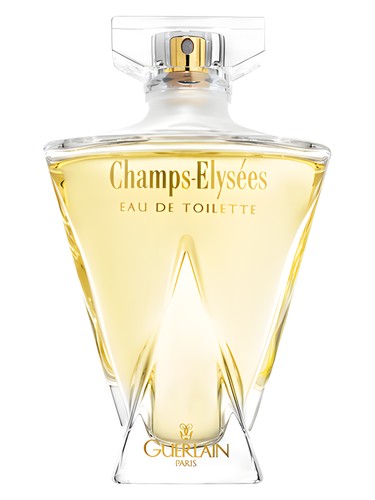
Well-known fragrances with Peony
Fragrances that list it in their notes, most-rated first.
Houses that use it most
Ranked by how many of their well-known fragrances list Peony.