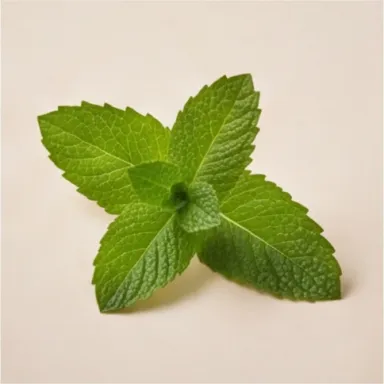
Mint
Cool, sharp, sweet-green leaves with a clean, mouth-freshening bite.
You may know it from Mint tea or chewing gum
Where it comes from
Steam-distilled from mint leaves or made from aroma chemicals.
Worth knowing
It can smell cooling, but it does not actually lower skin temperature.
About mint
Mint in perfumery usually points to one of two plants. Peppermint, Mentha × piperita, is a hybrid of watermint and spearmint, and its oil is built mostly on menthol and menthone: 41% and 23% in one analysis, with Scentspiracy putting menthol alone at 40 to 50%. Spearmint oil works differently. Its main molecule is carvone, and it holds only minimal menthol and menthone. A brand glossary from Premiere Peau describes peppermint as colder than eucalyptus and sharper than camphor.
The chill has its own mechanism. Menthol triggers TRPM8, a cold-sensitive receptor in the skin, while a separate set of olfactory receptors handles the minty smell. Capsaicin stimulates heat sensors in a similar way, also without any actual change in temperature. Scentspiracy says the cooling threshold sits higher than the olfactory threshold, so the aroma registers before the cold does. Mint is also fleeting. The same glossary says peppermint disappears from a blotter within 30 to 60 minutes, a figure from one brand rather than a lab test.
Peppermint oil is made by steam distillation of the plant. Natural menthol comes mostly from a different species, Mentha arvensis, called cornmint or Japanese mint, which can contain 70 to 85% menthol. India produces most of the world's mentha oil, around 80% of global demand according to the World Resources Institute, and about 70% of that comes from Uttar Pradesh. In the United States, USDA figures for 2023 put Idaho first for peppermint oil at 1.13 million pounds, 40% of national output, and Washington first for spearmint oil at 1.04 million pounds, 68%. Commercial peppermint planting in Washington goes back to 1917, on Puget Island.
Menthol is also made in factories. Takasago produces about 3,000 tonnes a year by asymmetric synthesis, and other routes run from thymol, citronellal or pulegone. Perfumers can go a step further and pair mint oils with cooling agents such as WS-3 or WS-23, which the glossary says give the cold sensation without the mint identity. Scentspiracy lists menthol as a freshness booster in fougère and aromatic structures.
Accords it shows up in
How many of the fragrances listing Mint in our catalogue also carry each accord. We counted this ourselves.
Often paired with
The notes that appear next to Mint most often in our catalogue.












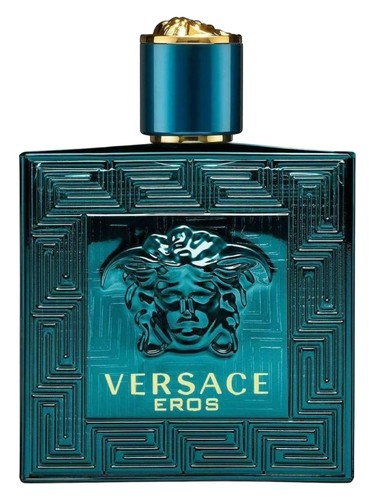
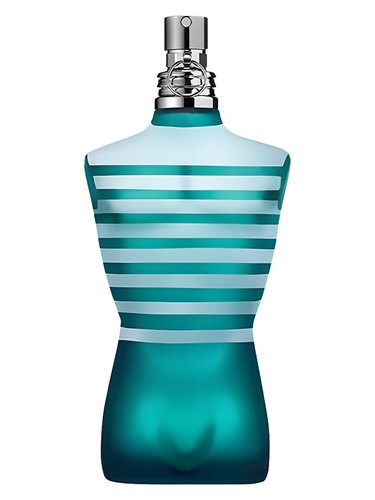
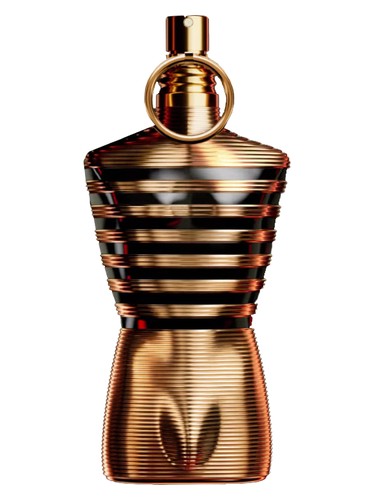
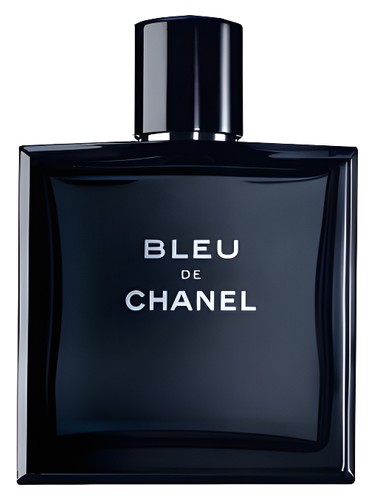
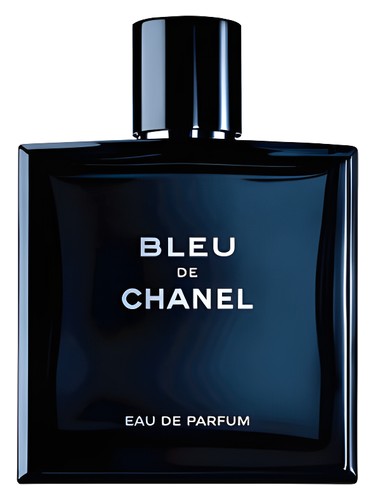
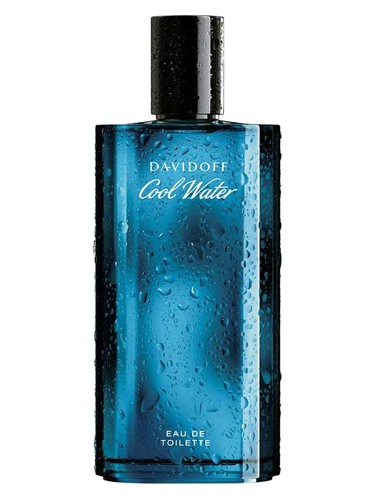
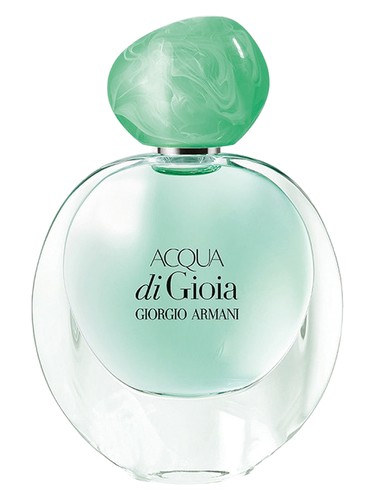
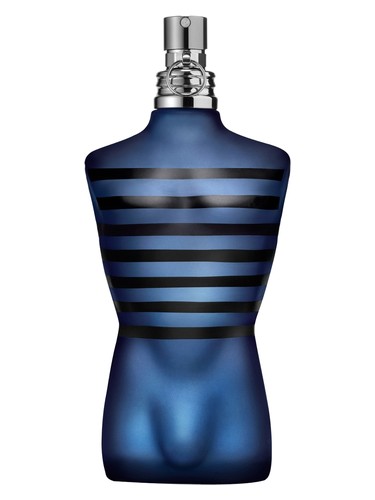
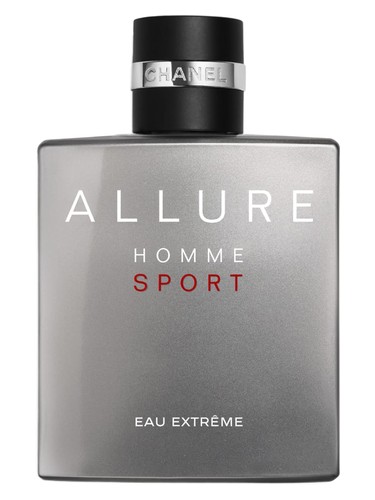
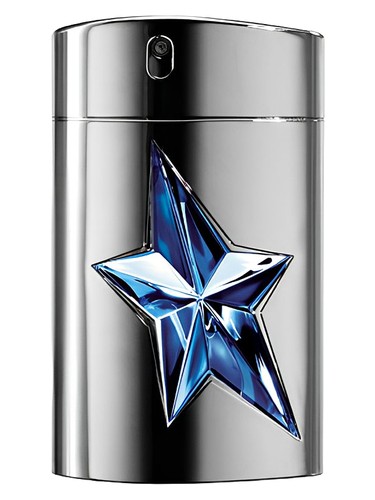
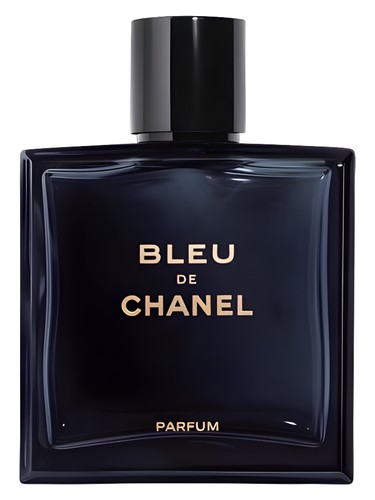
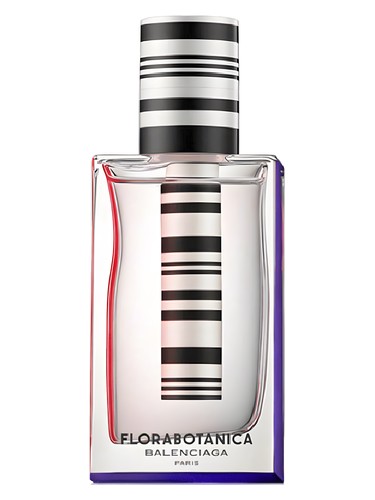
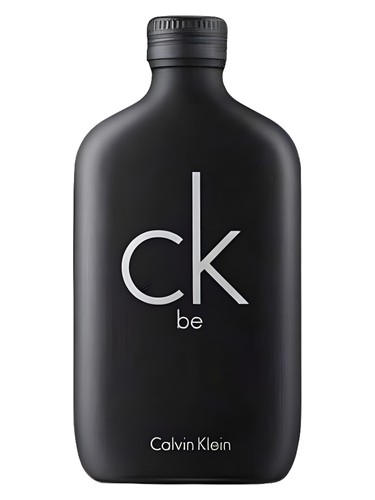
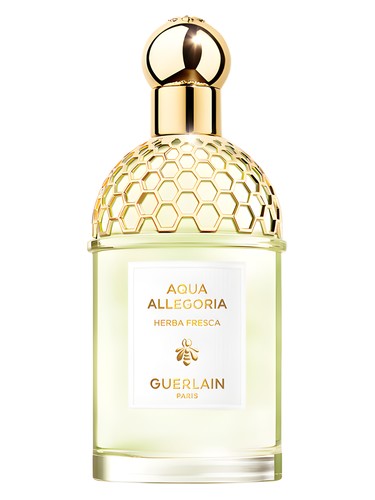
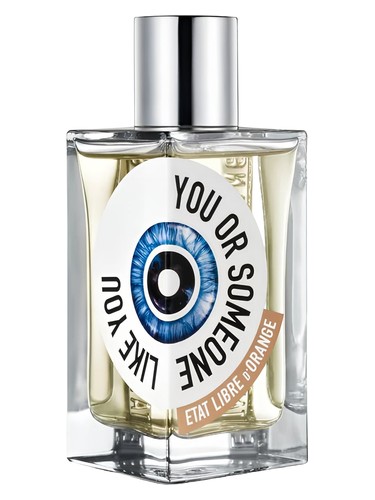
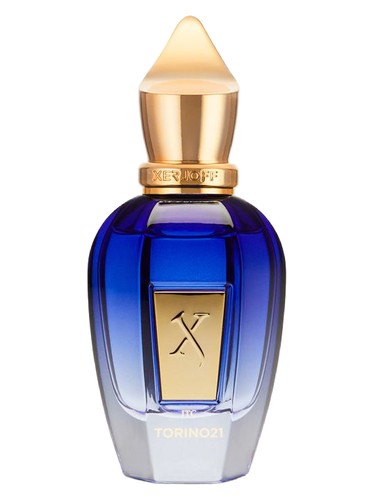
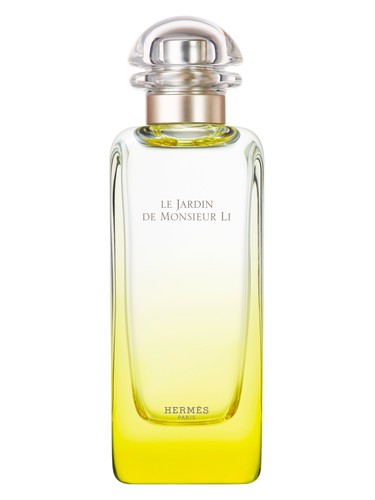
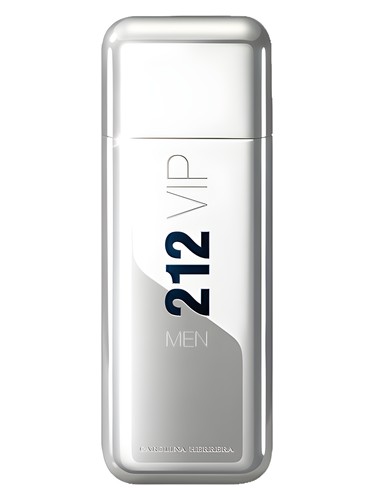
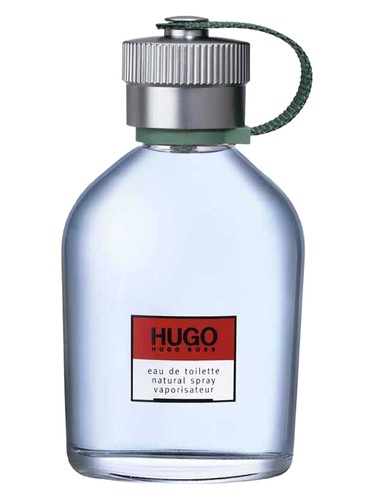
Well-known fragrances with Mint
Fragrances that list it in their notes, most-rated first.
Houses that use it most
Ranked by how many of their well-known fragrances list Mint.