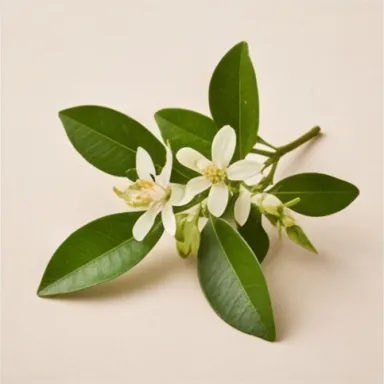
Petitgrain
Fresh crushed citrus leaves, with bitter orange peel, green twigs and a lightly floral edge.
You may know it from The scent released when rubbing orange-tree leaves.
Where it comes from
Steam-distilled essential oil from bitter orange leaves and green twigs.
Worth knowing
It comes from leaves and twigs, not the orange fruit.
About petitgrain
Petitgrain is French for "little grain", a name left over from the days when the oil was extracted from small unripe green fruits. The oil now comes from the leaves and green twigs of the bitter orange tree, Citrus aurantium var. amara. Other citrus trees give variants of their own. Mandarin leaves and branches are distilled into a petitgrain that smells fruity and leathery, unlike the bitter orange one, and a supplier puts its N-methyl anthranilate at about 40%. Lemon-leaf petitgrain is built mostly on limonene, citral and beta-pinene.
Paraguay and France are the main production regions, and the Paraguayan oil has the higher odour tenacity. Scentspiracy puts Paraguay at roughly 70% of perfumery-grade petitgrain, and Olfactive Studio reports over 180 tons of raw material a year there. French botanist Benjamin Balansa is credited with starting production in the country. Small producers grow, harvest and distil on their own land, using steam or hydro distillation of leafy twigs.
Bitter orange petitgrain is mostly linalyl acetate, about 45%, and linalool, about 20%, with beta-pinene under 10%. Alpha-terpineol and neryl acetate are secondary components. Givaudan describes the Paraguayan oil as fresh, green and sweet floral, reminiscent of orange blossom, with woody herbaceous facets. A perfume blog, Aromara, hears something drier: green and woody rather than juicy, like crushed leaves and warm bark with a bitter citrus edge. Scentspiracy sees a bitter-citrus opening that moves through green-floral and woody-herbaceous tones to a softly sweet finish, drier and more linear than neroli.
Petitgrain is among the citrus and herbal oils listed in classic eau de Cologne, next to bergamot and neroli. Guerlain's Eau de Cologne Imperiale lists lemon, bergamot, petitgrain and neroli, and one reviewer picks out green petitgrain after the bergamot opening. Scentspiracy says perfumers use it to modify citrus colognes, floral bases and chypre structures, where its bitterness contrasts with sweeter florals. Olfactive Studio reported a price of about 50 USD per kilo in 2023, the cheapest ingredient in the orange flower family.
Accords it shows up in
How many of the fragrances listing Petitgrain in our catalogue also carry each accord. We counted this ourselves.
Often paired with
The notes that appear next to Petitgrain most often in our catalogue.










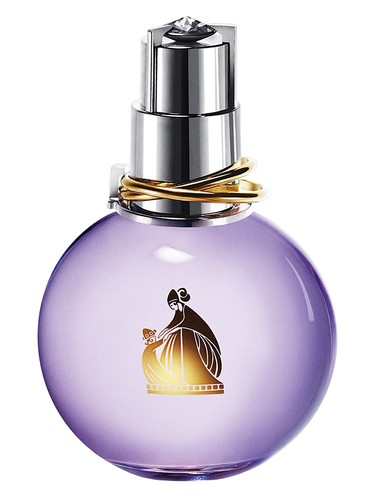
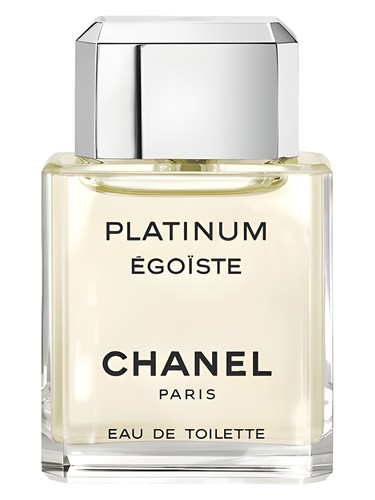
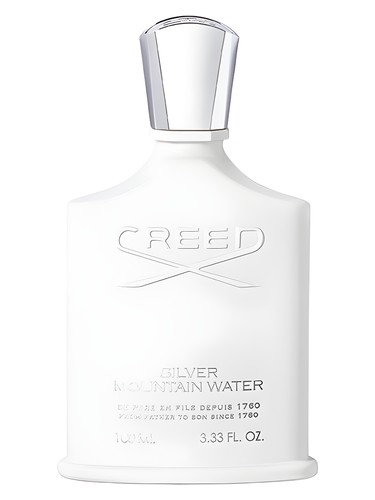
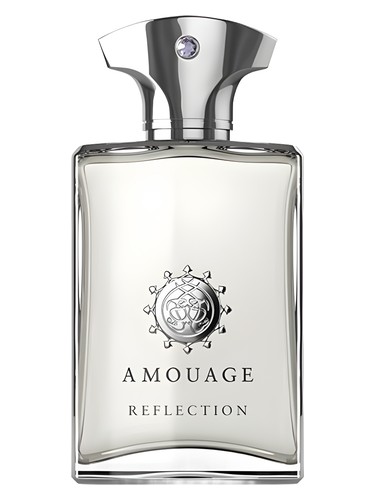
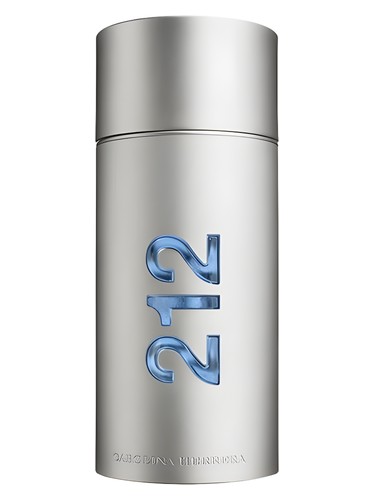
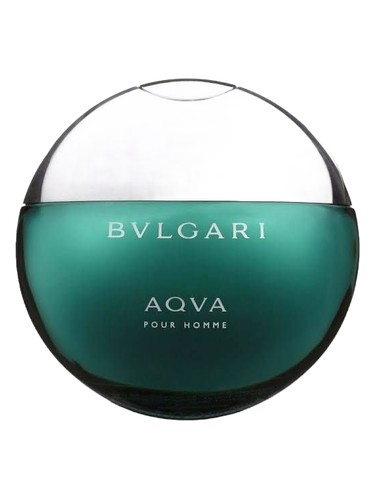
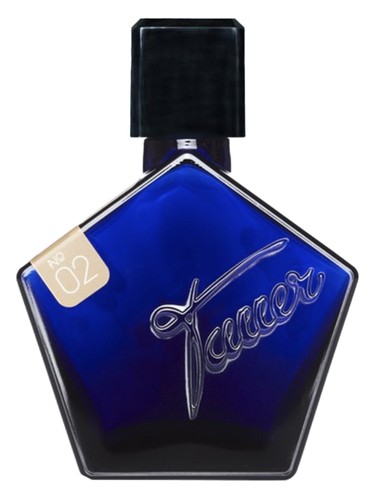
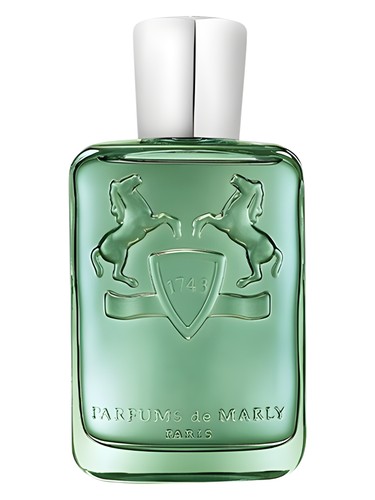
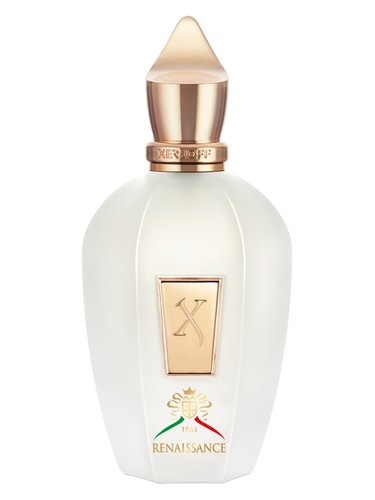
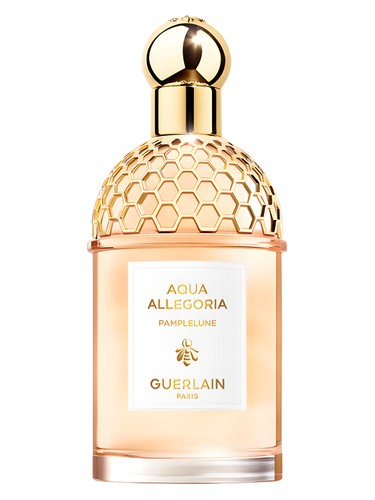
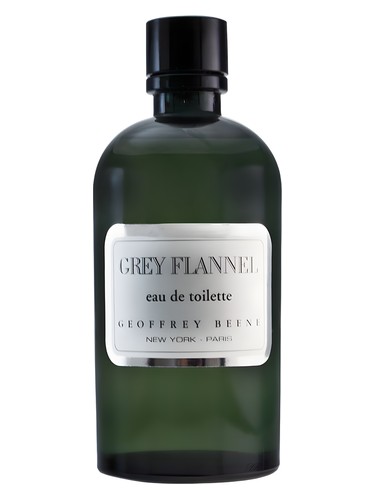
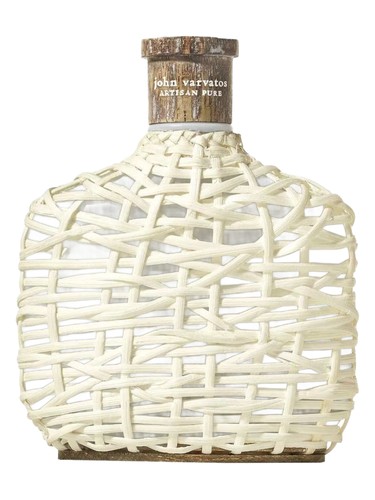
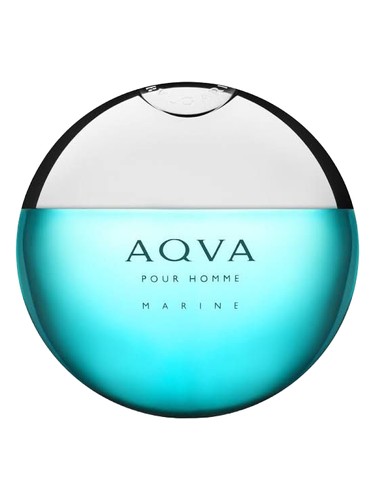
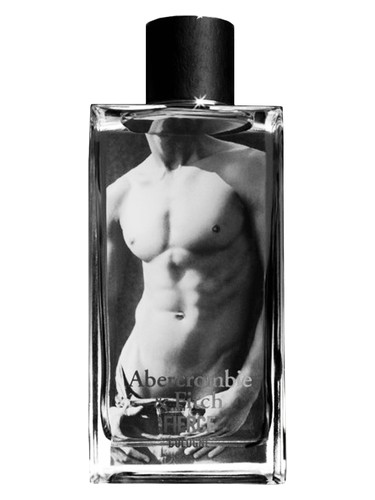
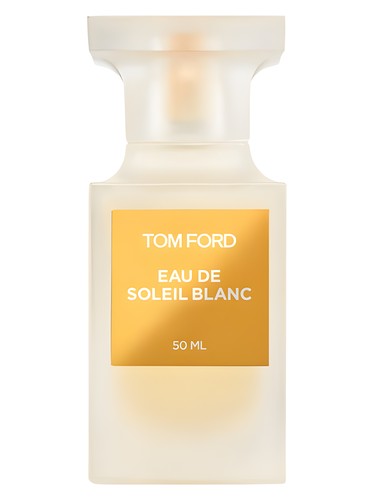
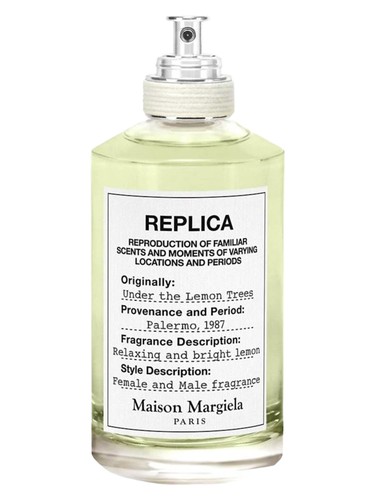
Well-known fragrances with Petitgrain
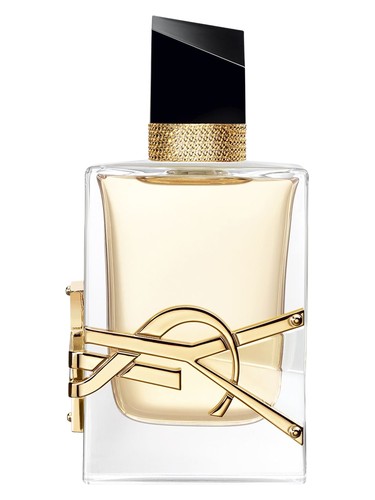
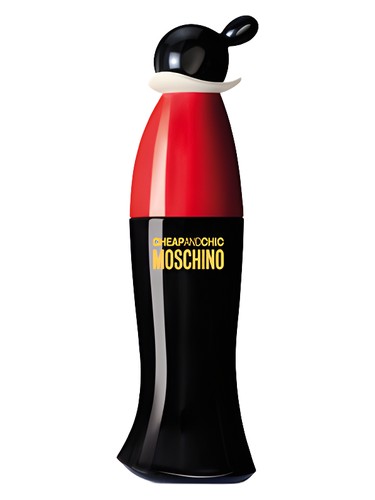
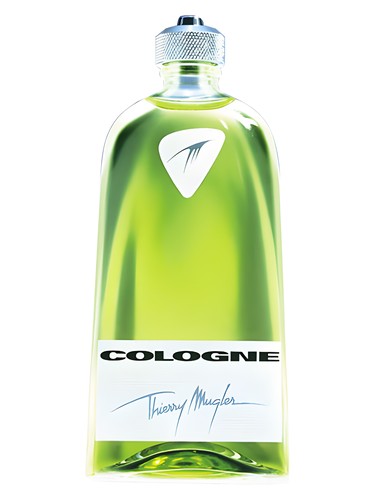
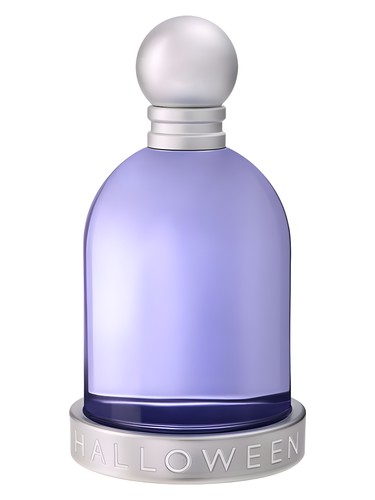
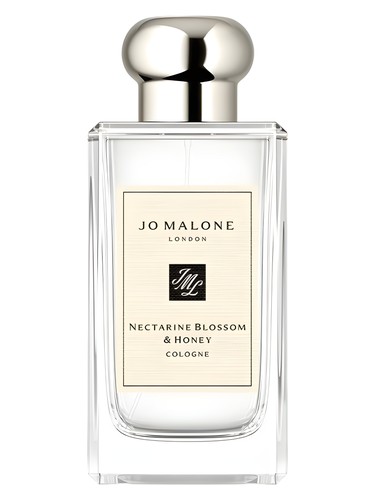
Fragrances that list it in their notes, most-rated first.
Houses that use it most
Ranked by how many of their well-known fragrances list Petitgrain.