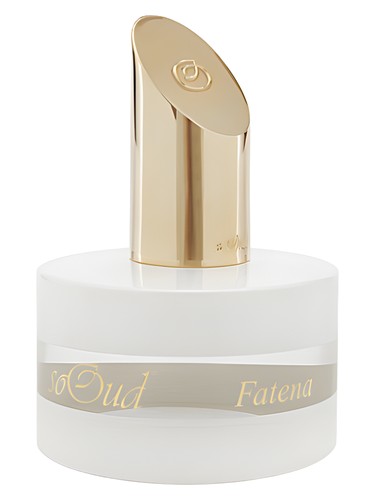
Fatena
Fragrance notes




Character
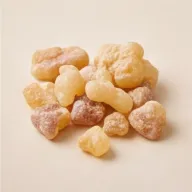
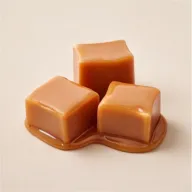
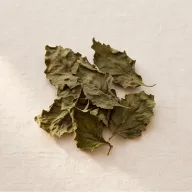
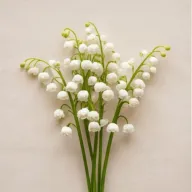
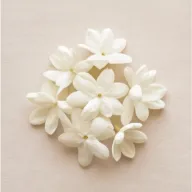
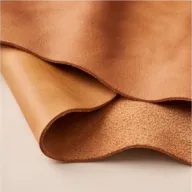
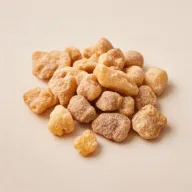
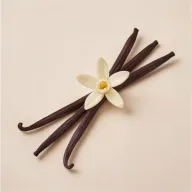
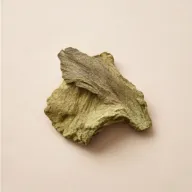
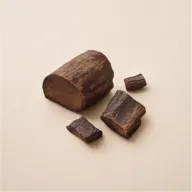
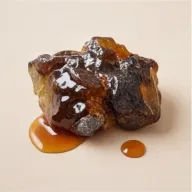
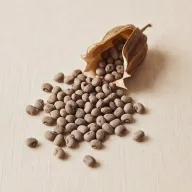
Fatena opens with a bright, almost aggressive spark of saffron and pink pepper, the ginger adding a nervy heat that the olibanum quickly wraps in a smoky haze. It is immediately complicated, and that is its charm. The heart steers into a sticky-sweet territory of peach and caramel, but the patchouli and lily-of-the-valley keep it from collapsing into syrup, lending a slightly green, floral tension. On the drydown, the leather and oud emerge, not as rough, barnyard elements, but as a polished, animalic warmth, intertwined with vanilla, benzoin, and the earthy, smoky kick of cypriol. The whole effect is like a slab of baklava left to cool on a worn leather saddle, sticky, rich, and slightly dangerous.
It leans decisively sweet and heavy, a gourmand for people who want their dessert served with a side of patchouli and labdanum rather than whipped cream. The sillage and longevity are both moderate, not room-filling but present enough for an intimate evening, though those craving a four-hour projection blast might find it coy. This is overwhelmingly a cold-weather scent, happy in fall, winter, and even spring, but it will dissolve into cloying, indistinct sweetness in high summer heat.
Who should wear it? Someone who enjoys a well-made oriental that balances edible notes with leather and resin, without being cheap or screechy. Skip it if you hate sweet fragrances or want tonka and praline instead of oud and smoke. Is there a better way to smell like a decadent, slightly untamed evening? Wear it to a night market, a dinner under a brass lamp, or a chilly afternoon where you intend to leave a quiet, lingering impression.
Smells similar
We matched these by the notes each one lists, giving more weight to the unusual ones they share. Sharing materials does not make one a copy of the other.