Yacuma
Fragrance notes


Character
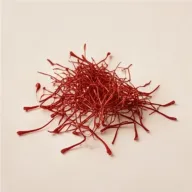
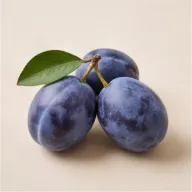
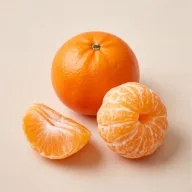
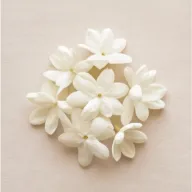
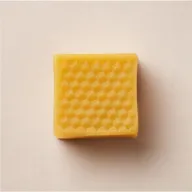
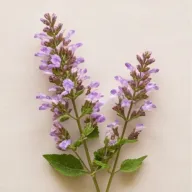
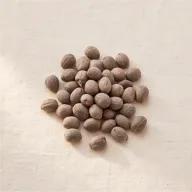
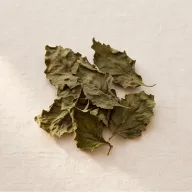
Yacuma opens with saffron, plum, and mandarin orange. The saffron brings a dry, metallic edge to the fruit, so the plum reads dark rather than bright and the mandarin stays in the background. This is not a fresh citrus start. It moves quickly into a heart of honey, Turkish rose, jasmine, beeswax, and clary sage. The honey and beeswax create a thick, golden sweetness that wraps around the rose, while the jasmine adds a soft floral lift. Clary sage cuts through the heavy nectar with an herbal, slightly bitter green touch. The result is rich and resinous rather than light or airy.
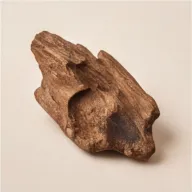
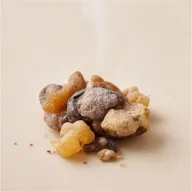
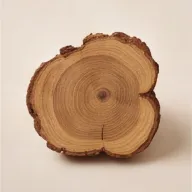
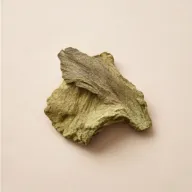
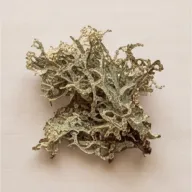
The base is extensive and heavily weighted toward oud, incense, guaiac wood, cypriol, oakmoss, patchouli, myrrh, styrax, and gurjan balsam. These notes build a dense, woody, and smoky foundation that feels earthy and balsamic. Ambrette, white musk, and ambergris sit underneath to add a musky, amber-like warmth without making the blend feel modern or clean. The oud here is prominent and pairs closely with the incense and myrrh, giving the drydown a churchy, resinous character. It is a complex base that keeps the earlier honey and rose grounded in something dark and forest-like.
The air feels cool enough that the heat of the spices sits comfortably on the skin, and the daylight keeps the honey from feeling too heavy or nocturnal. It suits someone who enjoys oud and incense done in a floral, honeyed style and who wants a fragrance that stays close to its resinous roots. It will feel too dense for anyone who prefers crisp greens or clean musks. The scent is a thick ribbon of smoke winding through a garden.
Smells similar
We matched these by the notes each one lists, giving more weight to the unusual ones they share. Sharing materials does not make one a copy of the other.