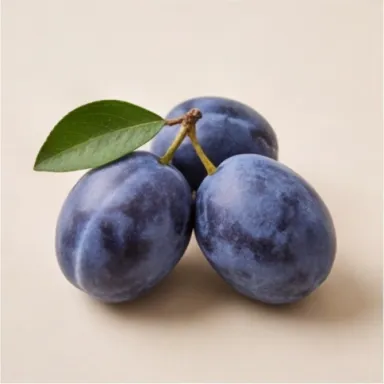
Plum
Juicy ripe plum, sweet-tart purple fruit with a jammy, sometimes wine-like richness.
You may know it from Fresh plums or prune jam
Where it comes from
Recreated from aroma chemicals; plums do not yield a practical perfume extract.
Worth knowing
It usually is not made by pressing or distilling actual plums.
About plum
Plum in a perfume is built from molecules. One supplier guide says the note is almost exclusively synthetic, because direct extraction from the fruit is not feasible. The fruit is no rarity, with China producing about 55% of the world's plums, yet none of that harvest ends up in the bottle as an extract.
What perfumers assemble instead rests on a few molecules. A perfumery glossary leads a plum reconstruction with beta-damascenone and says gamma-decalactone may be added for peach-adjacent, lactonic softness. A supplier's illustrative accord, which it does not offer as an industry standard, pairs damascenone or damascone with benzaldehyde, a peach lactone and patchouli, crediting the damascenone with jammy, wine-rich depth. The same page says damascenone recalls ripe fruit, dried prunes and a faint almond. In a study of the Horvin plum, esters were by far the dominant volatiles in the fruit itself.
Lactones come with a naming quirk. Gamma-undecalactone, which smells fruity and creamy, with peach, apricot and coconut sides, is sold as "aldehyde C-14", although sources agree the name is a historical misnomer and the molecule is a lactone. It is potent enough to be used far below 1% of a composition, and it was originally used in violet perfumes.
Plum shows up in Femme by Rochas, which came out at the end of 1944, after the liberation of Paris. Roudnitska had a very limited choice of raw materials because of the occupation. Perfume Shrine describes the perfume as having succulent plum and peaches. Where that quality came from depends on who tells it. One account says Roudnitska built the peach and plum accord on Prunol, a fruity base from the De Laire company. Perfume Shrine says instead that he used a methyl ionone compound he smelled in a forgotten barrel at a paint factory. A third page uses Prunol as another name for gamma-undecalactone, while Bon Parfumeur treats Prunol de Laire as a base, so the sources do not agree. Femme was later re-orchestrated by Cresp, in 1989, with a daring cumin note.
Accords it shows up in
How many of the fragrances listing Plum in our catalogue also carry each accord. We counted this ourselves.
Often paired with
The notes that appear next to Plum most often in our catalogue.











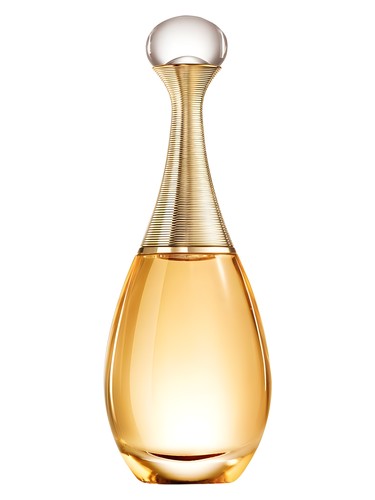
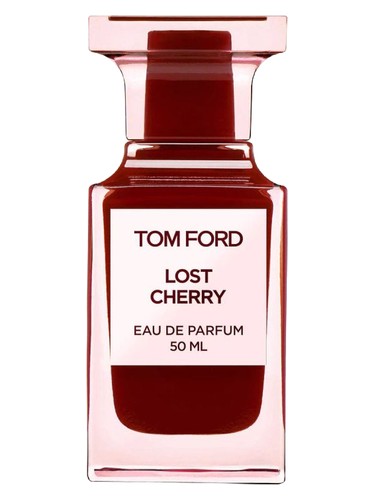
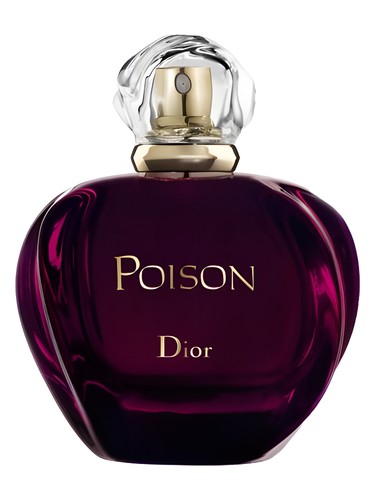
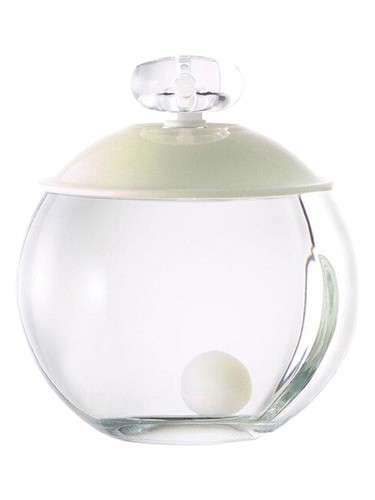
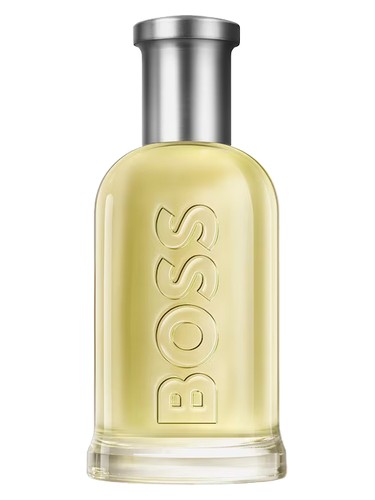
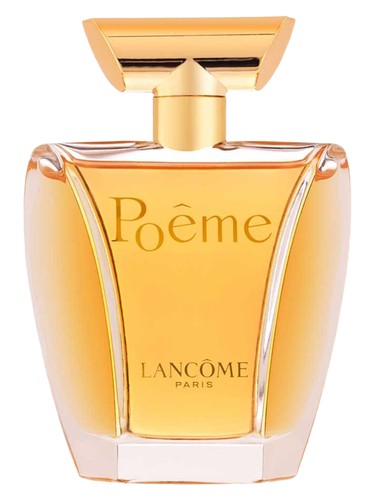
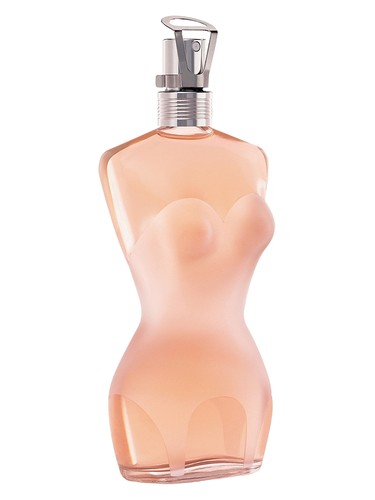
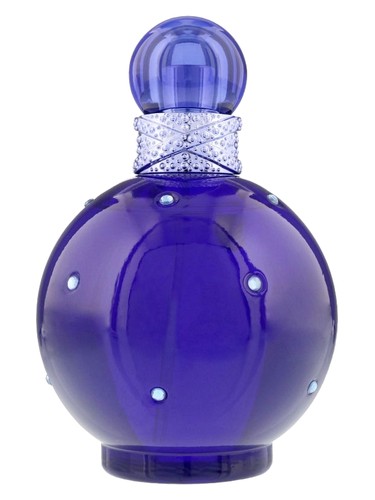
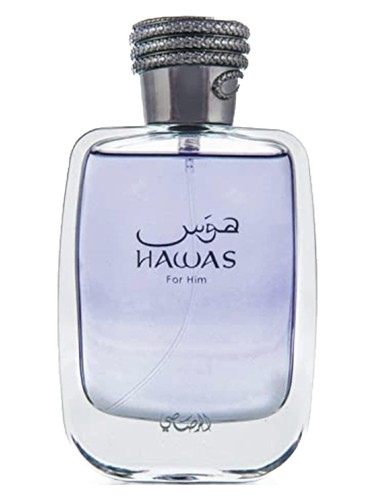
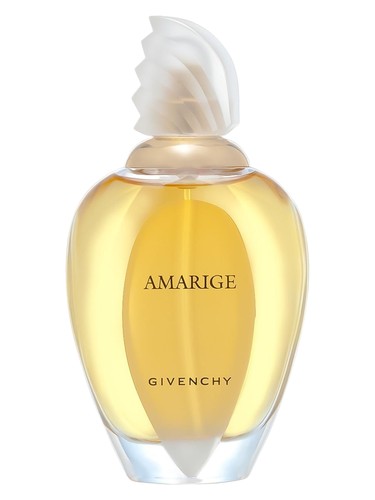
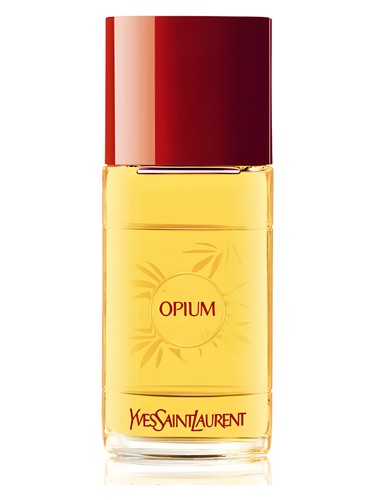
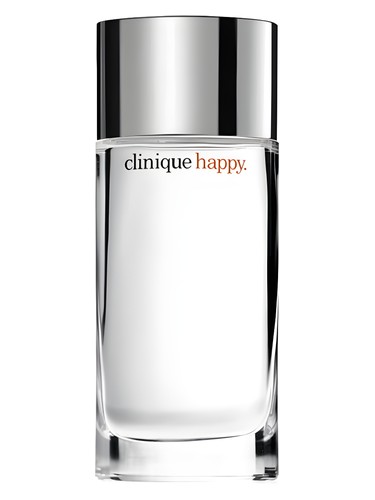
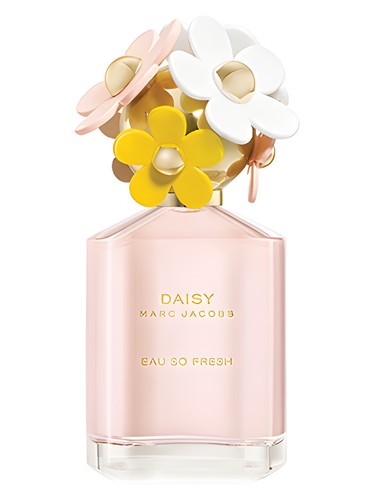
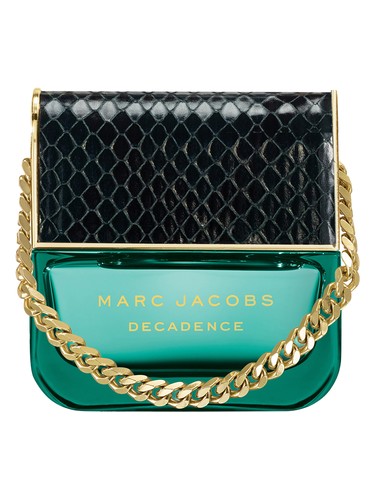
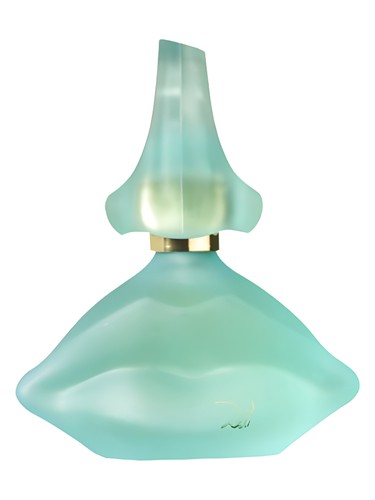
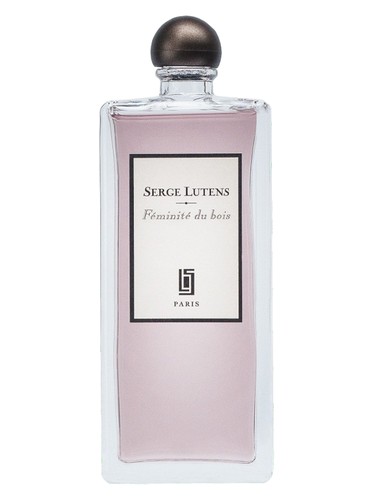
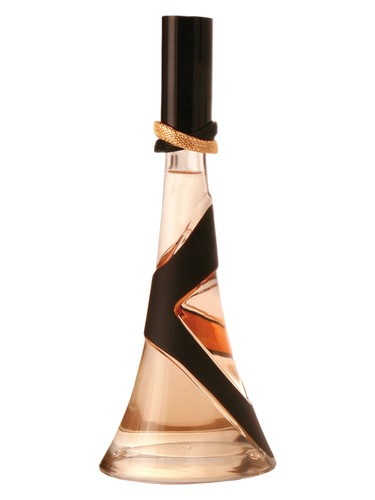
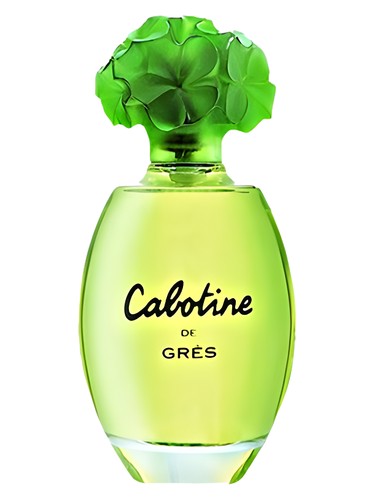
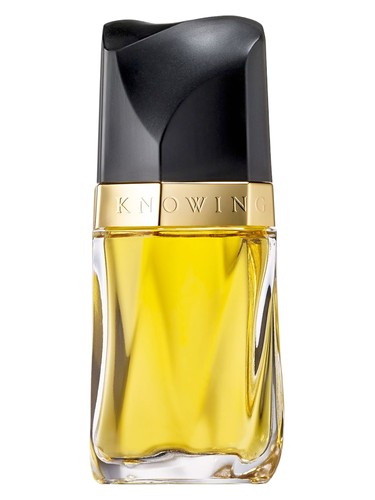
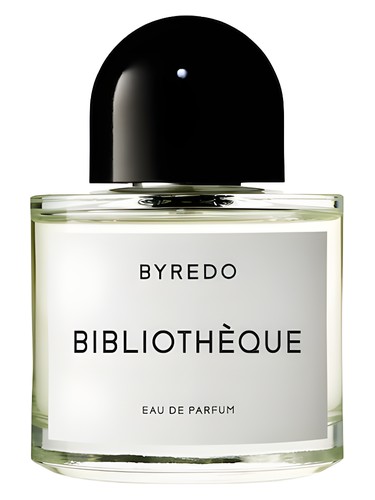
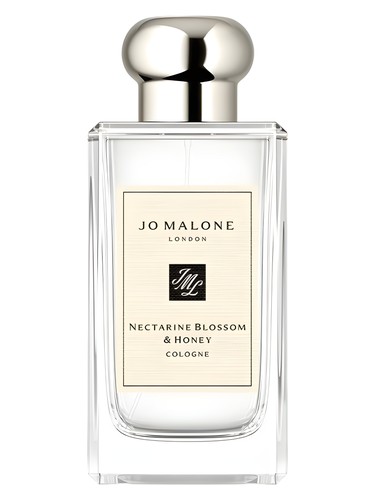
Well-known fragrances with Plum
Fragrances that list it in their notes, most-rated first.
Houses that use it most
Ranked by how many of their well-known fragrances list Plum.