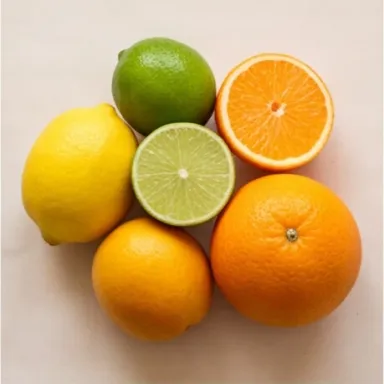
Citruses
Bright, tangy fruit peel with juicy sweetness and a sparkling, zesty freshness.
You may know it from Freshly peeled orange or lemon
Where it comes from
Made from citrus peel oils and widely used aroma chemicals.
Botanical name: Citrus
Worth knowing
It is a broad family of fruit scents, not one single ingredient.
About citruses
In perfumery, "citrus" is a convention. No single material goes by that name; it stands for essential oils taken from the peels of citrus fruits, used mostly as top notes. Whatever the fruit, a cold-pressed citrus oil is built on d-limonene. A flavour-industry source puts it above 90% of the peel oil, while a perfumery glossary says often 60 to 95%, depending on the oil.
That glossary calls cold pressing the dominant way to get the oil: the oil glands in the peel are ruptured and the emulsion is centrifuged. Limonene, citral, linalool and linalyl acetate are among the aroma chemicals usually named for citrus character, and the (+) form of limonene smells of citrus and orange.
These materials are volatile, so they show up first and fade first. Citrus was long confined to eaux de Cologne, which do not last very long. The same glossary says citrus itself rarely persists on fabric and that what lingers is whatever the perfumer put underneath it. Osmetheca says modern citrus formulas reach about four to six hours by leaning on Hedione and other synthetic materials.
The family has old roots. Osmetheca calls it the oldest of the seven olfactory families codified by the Société Française des Parfumeurs, and names Eau Sauvage (Dior, 1966, Edmond Roudnitska) as the modern turning point. The family name, hesperidic, comes from the Hesperides' golden apples, which is what one fragrance blog says the Greeks called the fruit when it reached them from Asia. "Cologne" itself began as a place name, Köln. Sources disagree on the date and the original recipe of the first eau de Cologne.
Limonene has a weak side. It autoxidizes, which gives a turpentine or old-peel off-note, and terpene hydrocarbons are unstable to heat and light. Producers remove some or all of them in a process called folding, which concentrates the oxygenated fraction of the oil. Pressed oils also carry furanocoumarins, heavy, non-volatile molecules that distillation leaves behind, and the Tisserand Institute notes that most phototoxic essential oils are expressed citrus oils.
Accords it shows up in
How many of the fragrances listing Citruses in our catalogue also carry each accord. We counted this ourselves.
Often paired with
The notes that appear next to Citruses most often in our catalogue.











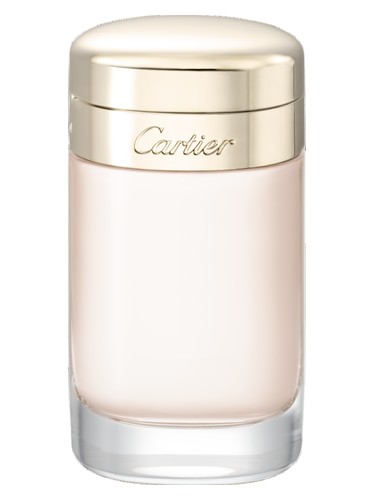
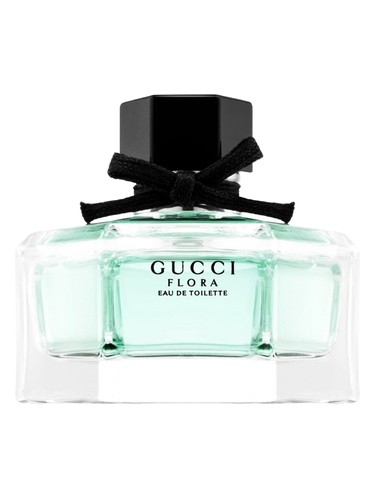
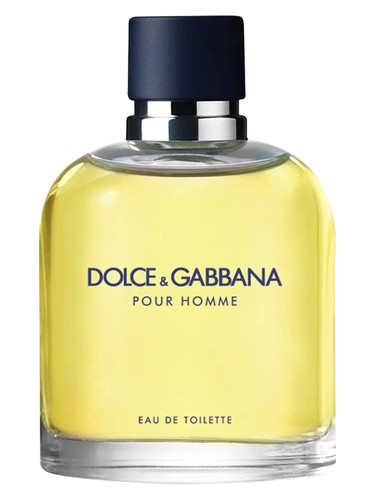
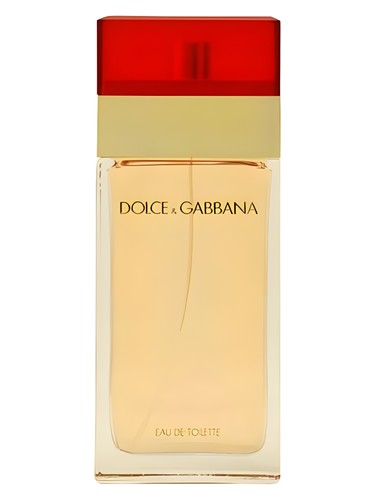
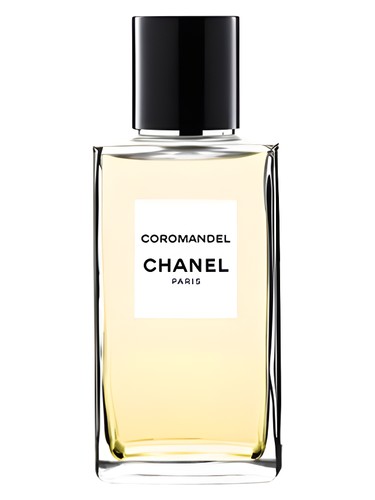
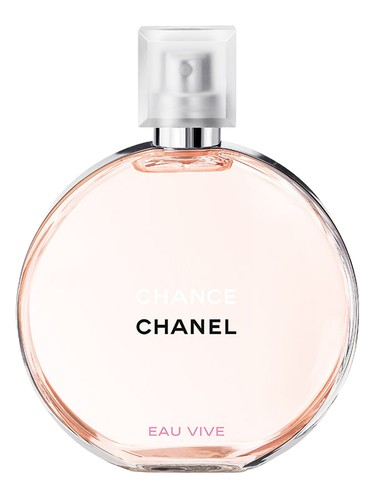
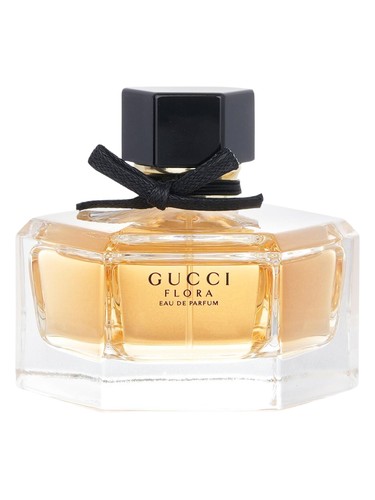
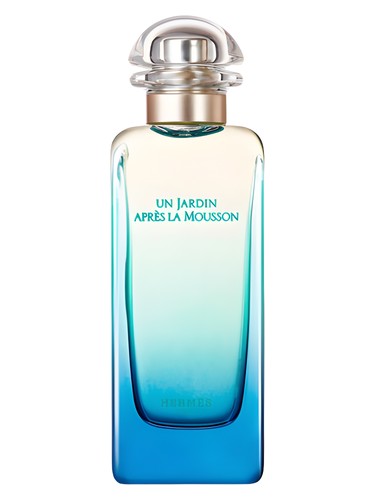
Well-known fragrances with Citruses
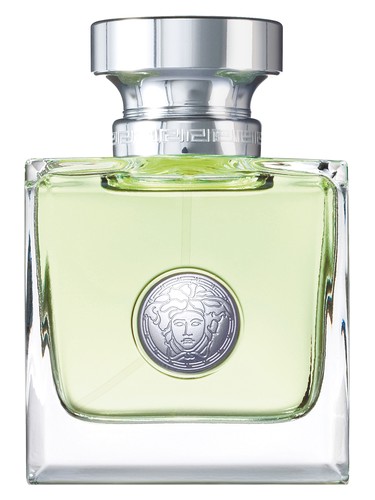
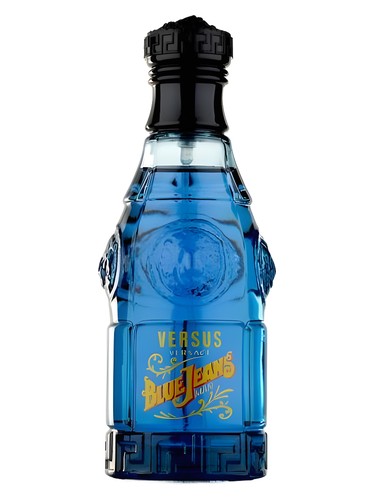
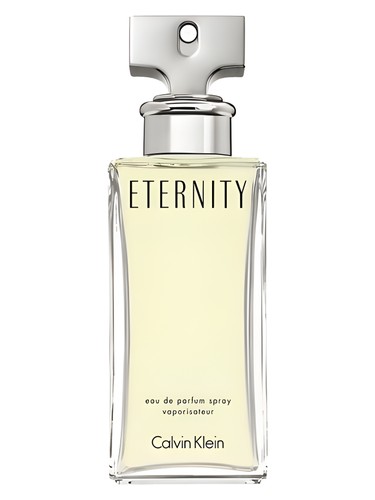
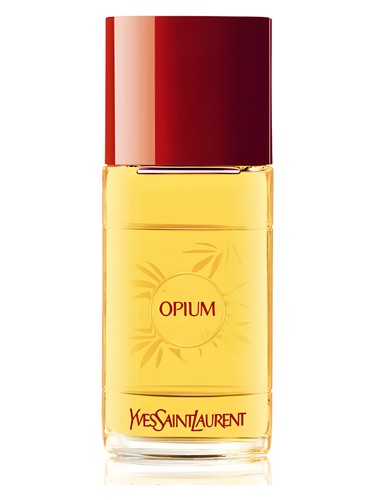
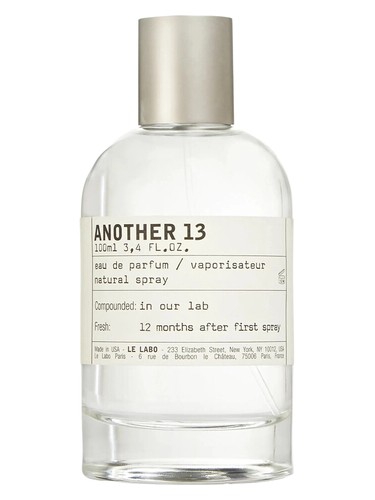
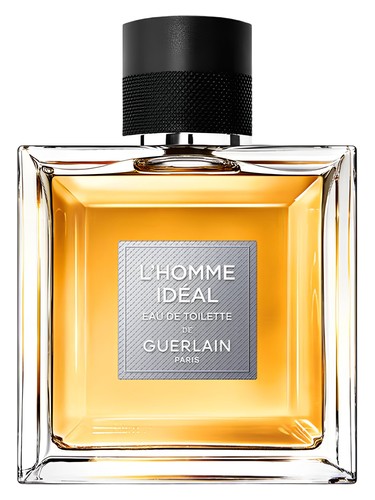
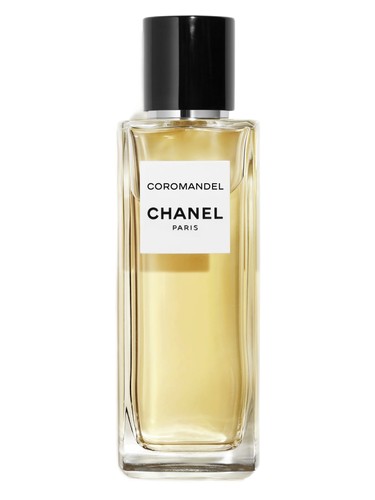
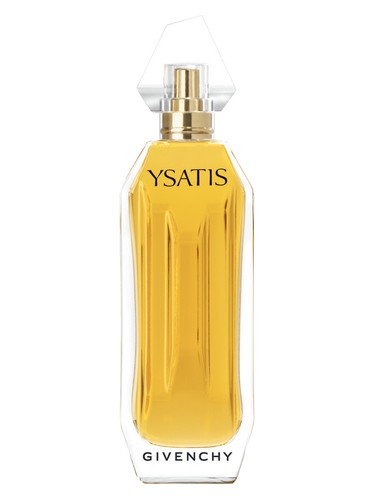
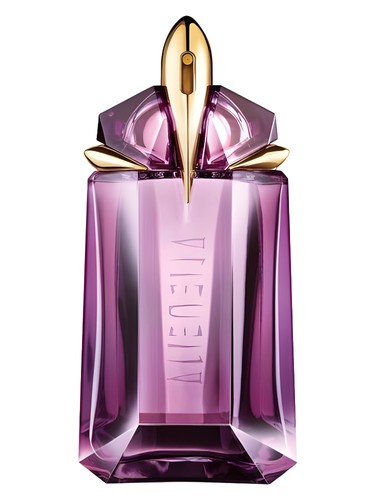
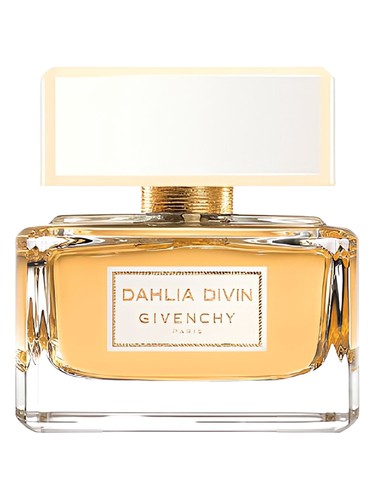
Fragrances that list it in their notes, most-rated first.

Houses that use it most
Ranked by how many of their well-known fragrances list Citruses.