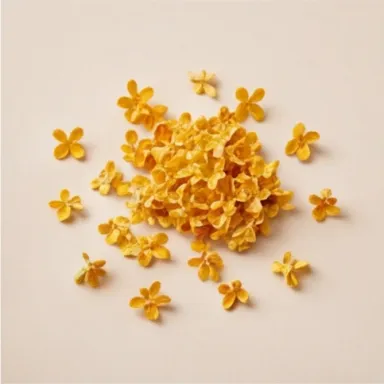
Osmanthus
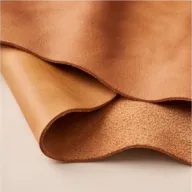
Apricot skin, ripe peach, soft leather and sweet white flowers.
You may know it from apricot jam
Where it comes from
Extracted from osmanthus flowers; also recreated with aroma materials.
Worth knowing
Its leathery apricot smell can seem more fruity than floral.
About osmanthus
Perfumery gets only a short window with osmanthus. The shrub, Osmanthus fragrans, is an evergreen that grows 3 to 12 metres tall and carries small, strongly scented flowers in late summer and autumn. One supplier puts the harvest for absolute at September and October alone. In China the plant has been cultivated for more than 2,500 years and ranks among the ten best-known Chinese flowers.
The flowers are extracted with petroleum ether into a concrete, which is then washed with ethanol to give the absolute. Concrete yield is given as only 0.15 to 0.2 percent, and the same supplier's glossary says about one tonne of concrete is made worldwide each year, almost all of it from Guilin, Suzhou and Chengdu. Sources disagree on what a kilo of absolute costs in flowers. One puts it near 3,000 kg; another says 720 kg of flowers give 750 g. Delacourte describes dropping the picked flowers into brine to preserve them, so extraction can run for about six months.
Perfumery descriptions name dried apricot or peach as the main impression, with leathery, hay-like and slightly smoky sides behind it. One source follows the absolute through time: dense apricot and honey at first, suede with violet-powdery tones after hours, and a warm leather-suede base with a dried-fruit residue after days. The fruit comes from lactones in the blossoms, though the sources name different ones as the main lactone. Because the natural material is costly, modern perfumes often use a moderate dose of absolute supported by apricot or tea materials, and synthetic versions commonly lean on gamma-decalactone and beta-ionone. Hermès Osmanthe Yunnan (2005, Jean-Claude Ellena) pairs the flower with tea, and a critic at Bois de Jasmin hears its apricot as a firm, slightly unripe fruit.
In China the flowers go into drinks. Osmanthus tea scents green tea or oolong with dried blossoms, and Hangzhou pairs it with Longjing. Osmanthus wine is made from weak baijiu flavoured with the flowers, stays under 20% alcohol, and is the traditional Mid-Autumn reunion wine. Guilin is reported to collect about 10,000 tonnes of osmanthus a year, worth about 3 billion yuan.
Accords it shows up in
How many of the fragrances listing Osmanthus in our catalogue also carry each accord. We counted this ourselves.
Often paired with
The notes that appear next to Osmanthus most often in our catalogue.











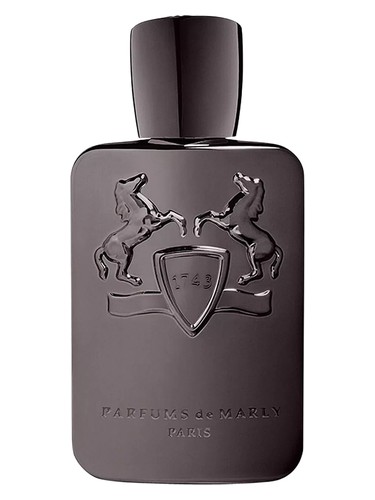
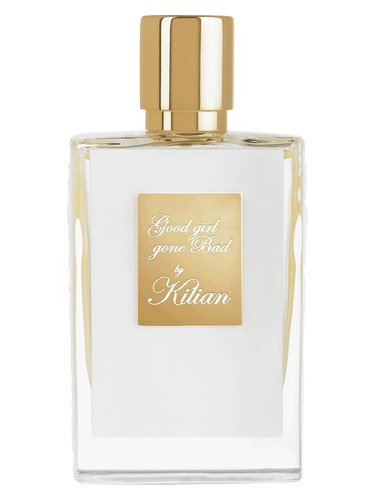
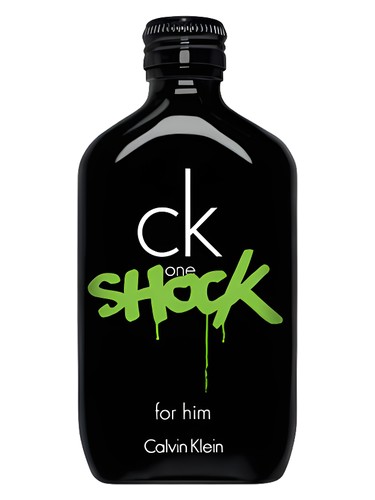
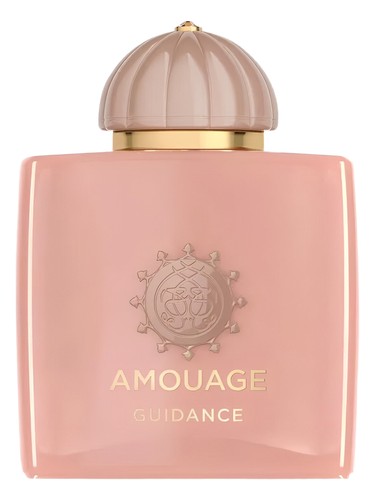
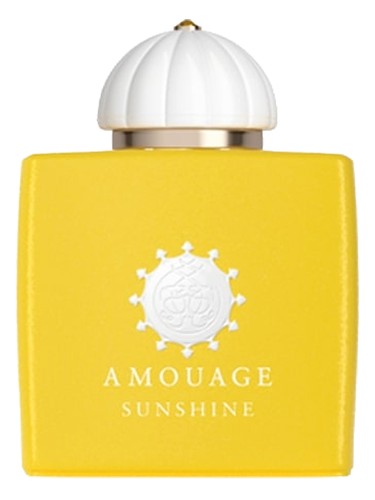
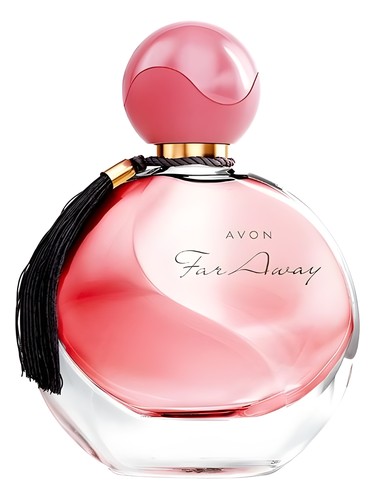
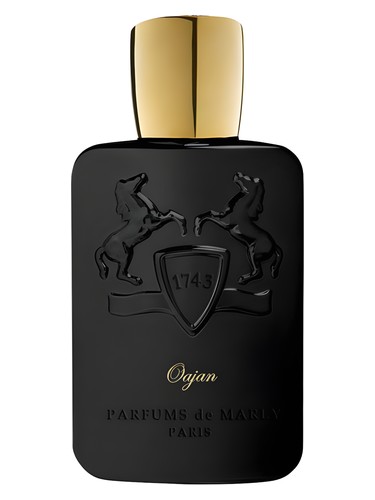
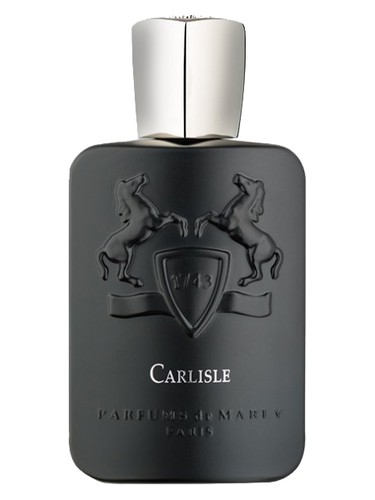
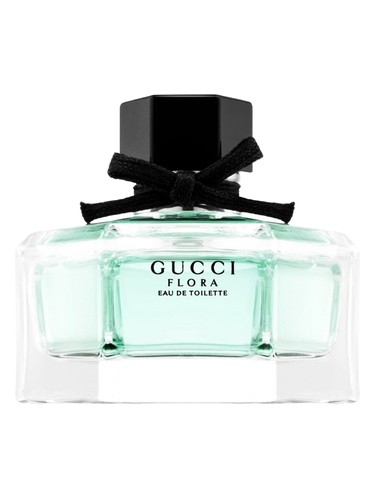
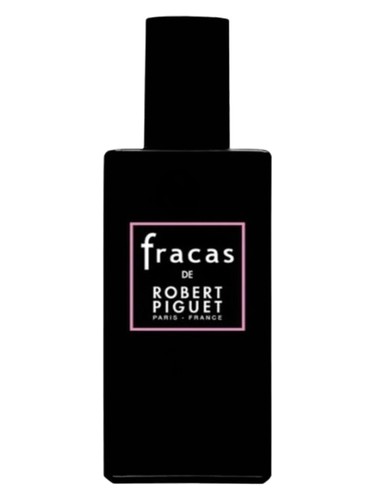
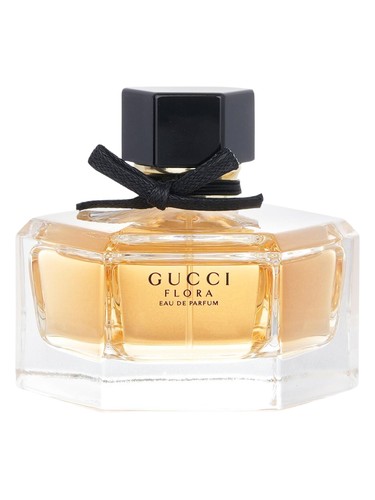
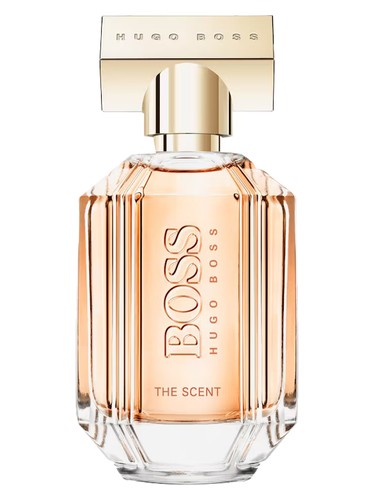
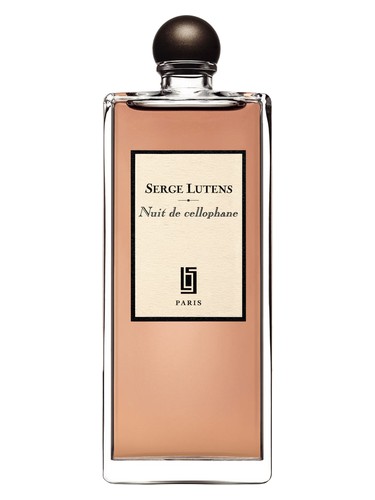
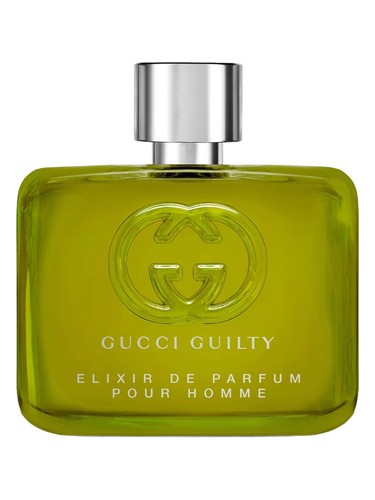
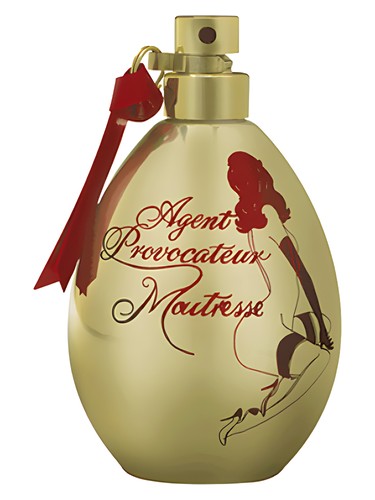
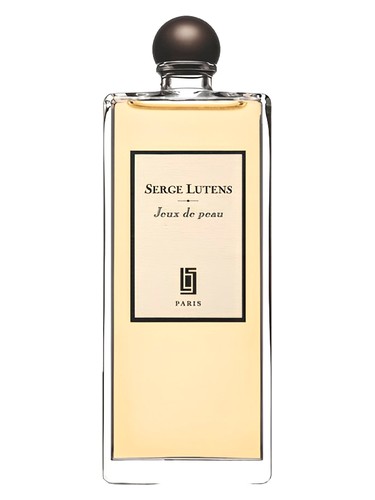
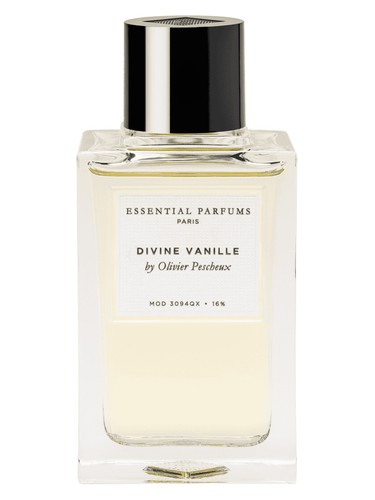
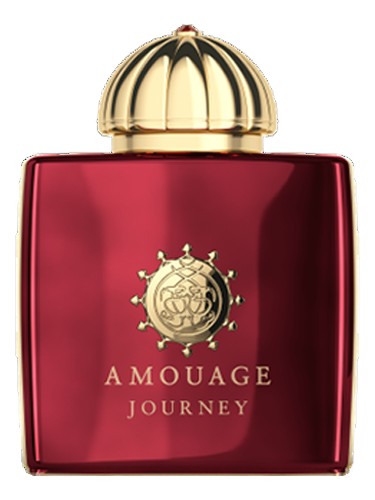
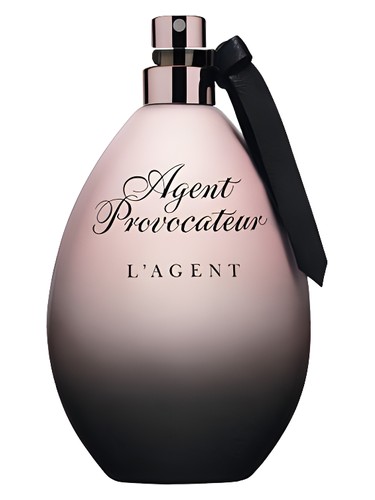
Well-known fragrances with Osmanthus
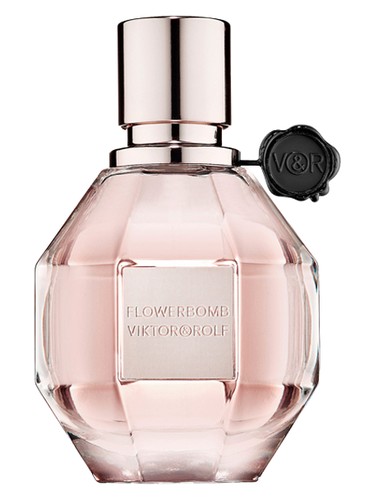
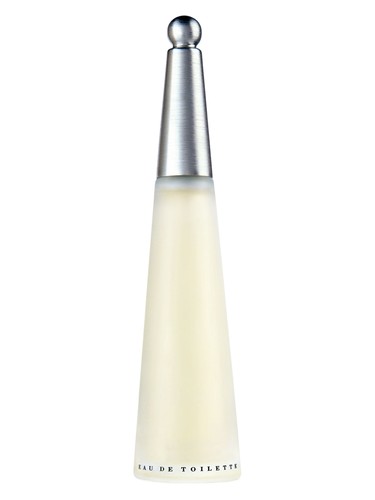
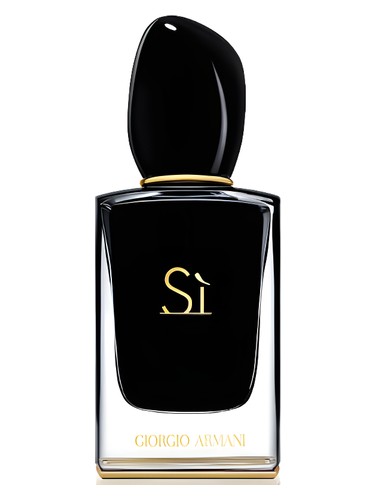
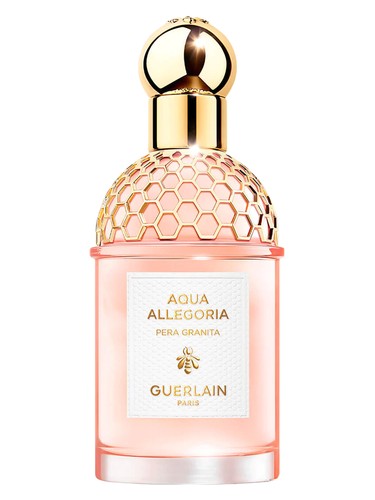
Fragrances that list it in their notes, most-rated first.
Houses that use it most
Ranked by how many of their well-known fragrances list Osmanthus.