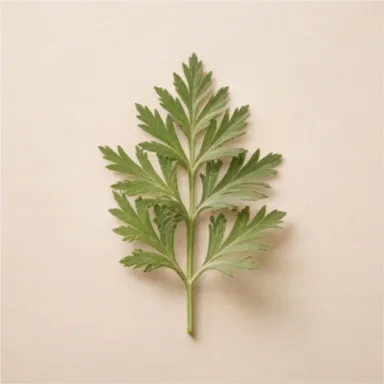
Artemisia
Bitter crushed herbs, dry hay, camphor and a sharp green medicinal edge.
You may know it from Wormwood-based absinthe
Where it comes from
Steam-distilled essential oil from Artemisia herbs, especially wormwood and mugwort.
Worth knowing
It is a plant family, not one single smell or ingredient.
About artemisia
Artemisia is a genus of almost 500 species in the daisy family, growing in dry or semi-arid temperate habitats in both hemispheres. Tarragon, sagebrush, mugwort and wormwood all belong to it. Most species get their strong aroma and bitter taste from terpenoids and sesquiterpene lactones.
Two species supply most of the oil. Wormwood, Artemisia absinthium, is a herbaceous perennial with fibrous roots and straight stems that reach 0.8 to 1.2 m. Its oil is steam distilled from the flowering herb and dried leaves. Common mugwort, Artemisia vulgaris, is native to temperate Europe, Asia and North Africa and grows on waste ground and roadsides, while in North America it is invasive. Armoise oil is steam distilled from its dried leaves, and the oil is listed from France, Morocco, Germany, Hungary, India, China and Japan.
The Good Scents Company describes wormwood oil as warm, sharp, dry-woody and herbaceous-green, with sweet notes reminiscent of cedar leaf oil. For armoise it lists fresh cedar leaf, mint, camphor and sage, bittersweet. One supplier of Moroccan armoise calls the aroma fresh, cool, soft green and sweet-camphoraceous. Suppliers also point to a bitter-green bite that freshens floral or woody perfumes.
Thujone is the molecule that defines both oils. Most wormwood chemotypes contain it, though some do not. Suppliers call it a known neurotoxin and sell the undiluted oil with a warning to dilute it strictly. The old story that thujone makes absinthe hallucinogenic has no direct evidence behind it, and the EU allows 35 mg/kg of thujone in alcoholic beverages where Artemisia is a listed ingredient.
Davana, from Artemisia pallens, is another member of the genus. Davanone, davan ether, davana furan and linalool are the major constituents of its oil.
Accords it shows up in
How many of the fragrances listing Artemisia in our catalogue also carry each accord. We counted this ourselves.
Often paired with
The notes that appear next to Artemisia most often in our catalogue.












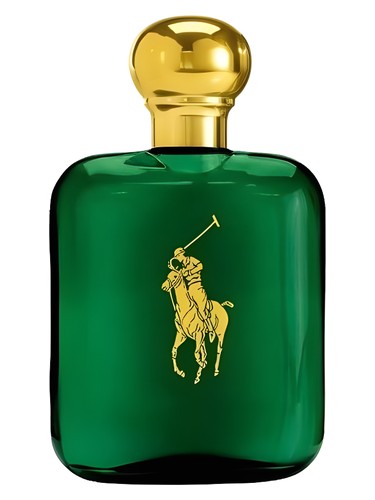
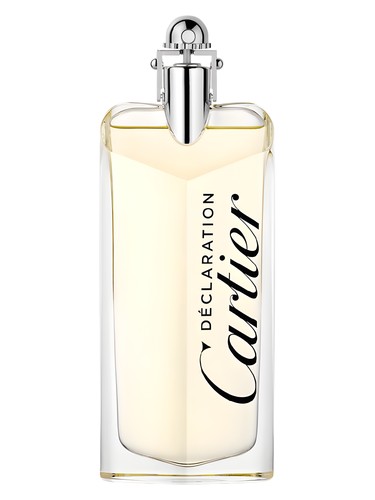
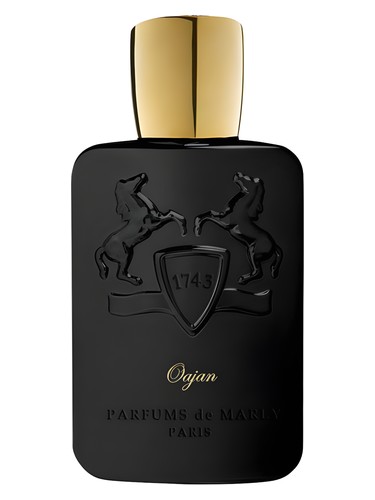
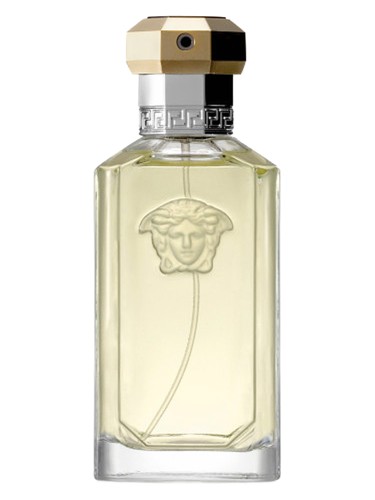
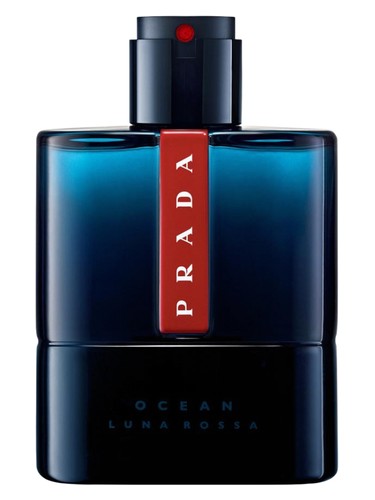
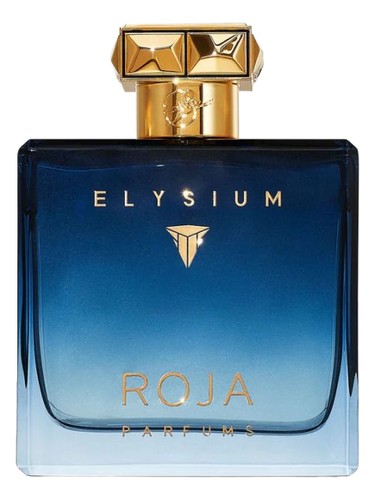
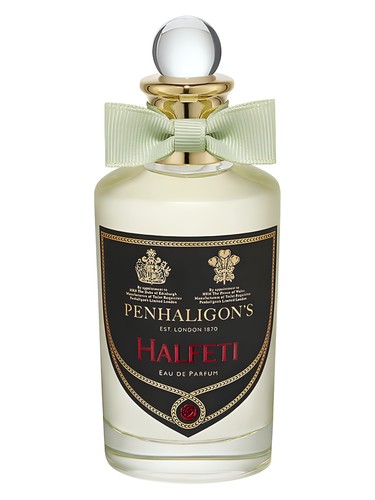
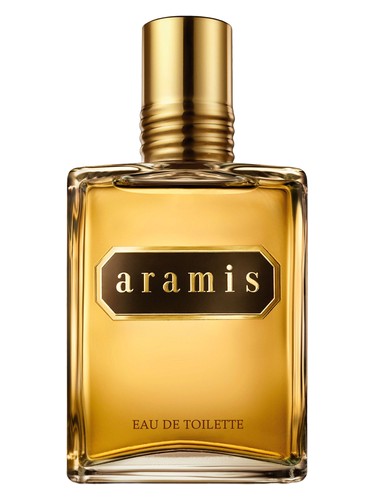
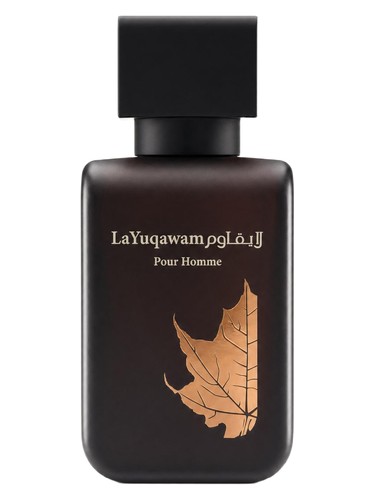
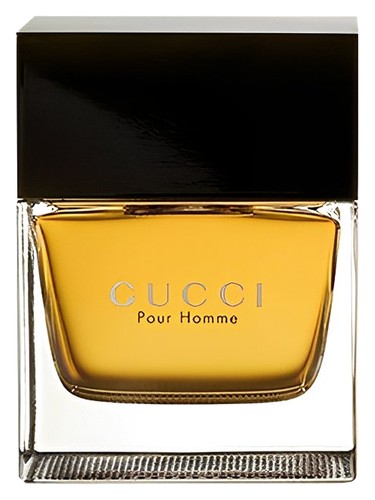
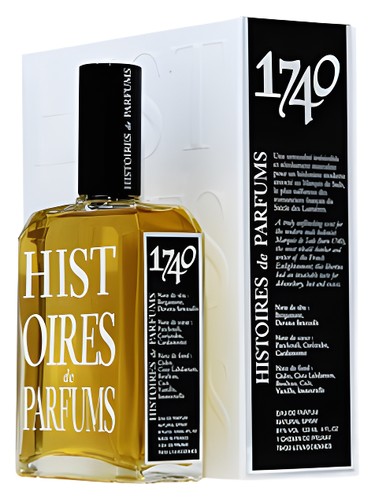
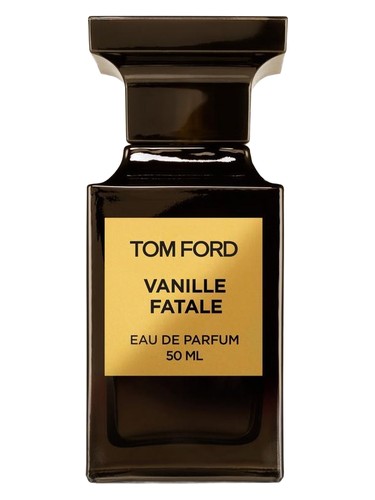
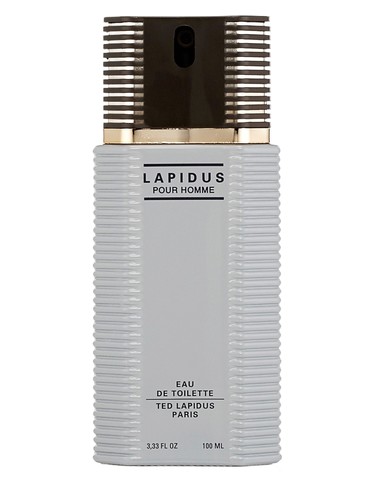
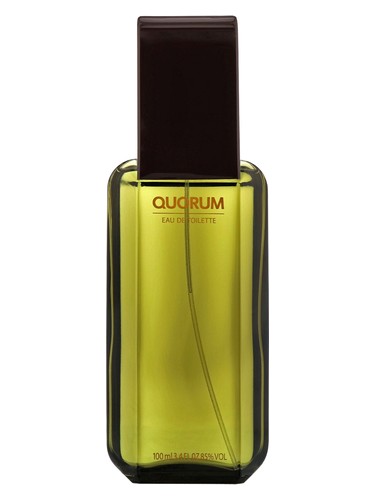
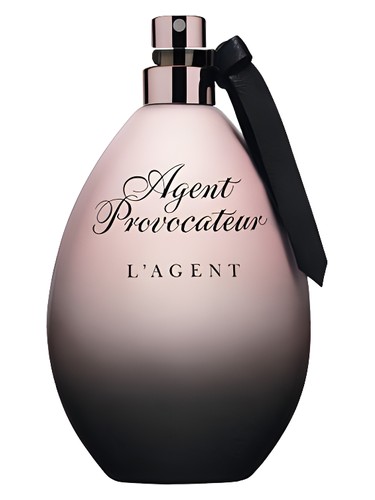
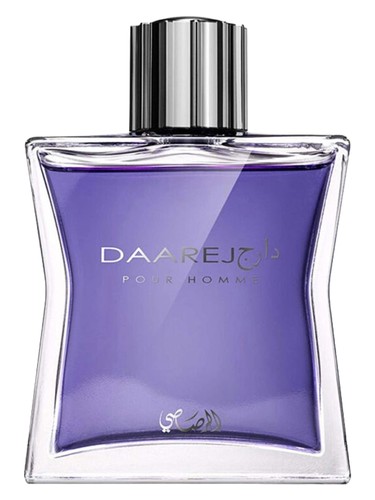
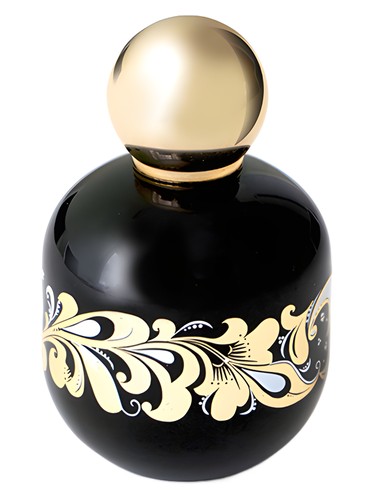
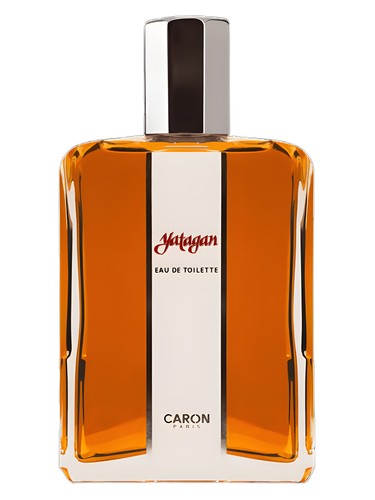
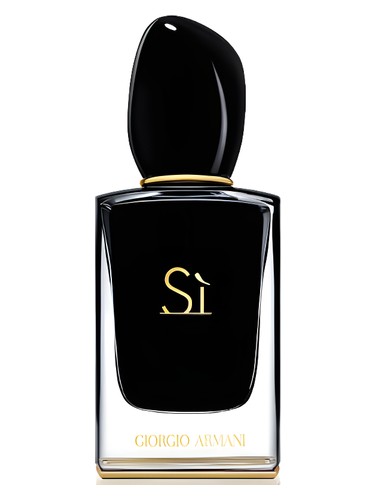
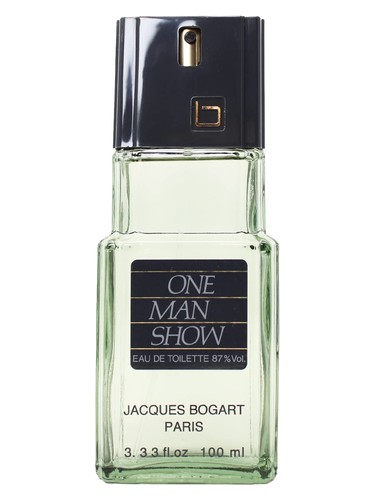
Well-known fragrances with Artemisia
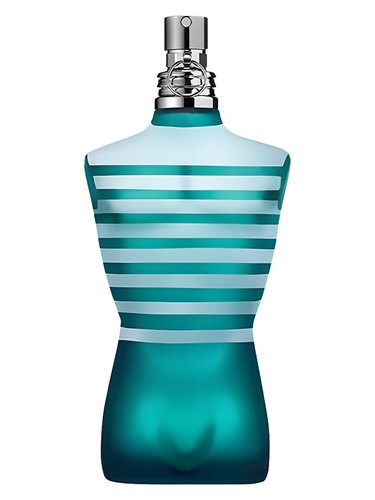
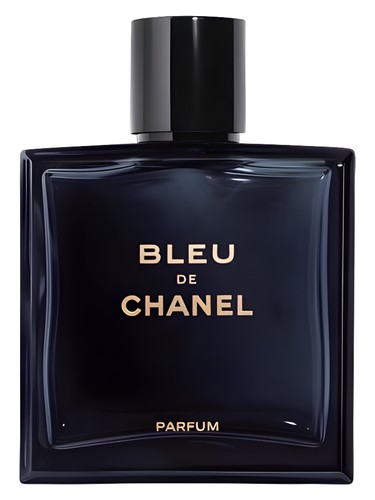
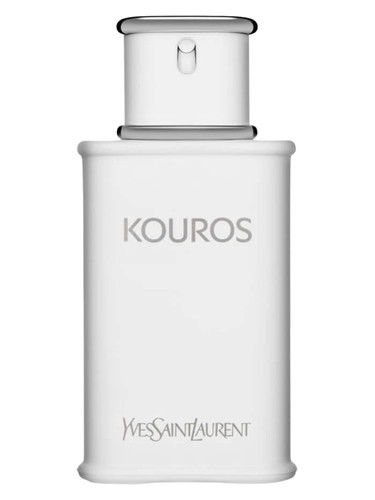
Fragrances that list it in their notes, most-rated first.
Houses that use it most
Ranked by how many of their well-known fragrances list Artemisia.