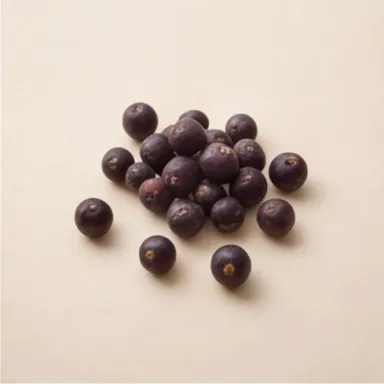
Juniper Berries
Crisp, dry pine needles with a peppery, slightly bitter gin-like freshness.
You may know it from Gin
Where it comes from
Steam-distilled oil from the dried berry-like cones of juniper shrubs.
Worth knowing
They are cone-like seed structures, not true culinary berries.
About juniper berries
What gets sold as a juniper berry is a cone with unusually fleshy, merged scales, which botanists call a galbulus. Perfumery can take juniper oil from berries, needles or wood. One Bulgarian producer sells only the berry oil and calls it the superior essential oil. The oil is steam-distilled from the ripe, dried fruits of Juniperus communis.
Where the berries grew leaves a mark. Scentspiracy says the highest quality oils come from carefully selected berries harvested in the Balkans, and a second glossary names Bulgaria, Albania, Croatia and North Macedonia as the main suppliers. Bulgarian oils lean higher in alpha-pinene, while Albanian ones show more chemical variety from one population to the next. In a study of Spanish samples, altitude, climate and soil shifted the result enough that some sites gave a limonene-rich, lemon-like oil and another gave oil rich in sabinene.
That sabinene matters. Myrcene and sabinene are credited with the peppery spice that sets juniper apart from other conifer oils. Scentspiracy describes the whole as fresh and pine needle-like, with a balsamic sweetness and a warm, resinous side. A supplier listed on The Good Scents Company words it differently, as fizzy, fruity green with a gin top note and gentle, dry woody undertones. The smell fades quickly, and one glossary puts it at roughly 2 to 4 hours on skin.
In compositions the oil does two jobs. It gives fougère accords a bright, piney lift and adds resinous depth to chypre bases. The Good Scents Company lists pinene, myrcene, limonene, cymene, camphene, terpineol, borneol and thujone among its constituents, and recommends keeping the oil under 8% of a fragrance concentrate. Scentspiracy cites an IFRA cap of 18.18% for category 4 finished products.
A recipe compiled around 1055 includes a juniper-infused tonic wine made by Benedictine monks, and in the kitchen the berries season game, pork and cabbage dishes with a sharp, clear flavour.
Accords it shows up in
How many of the fragrances listing Juniper Berries in our catalogue also carry each accord. We counted this ourselves.
Often paired with
The notes that appear next to Juniper Berries most often in our catalogue.












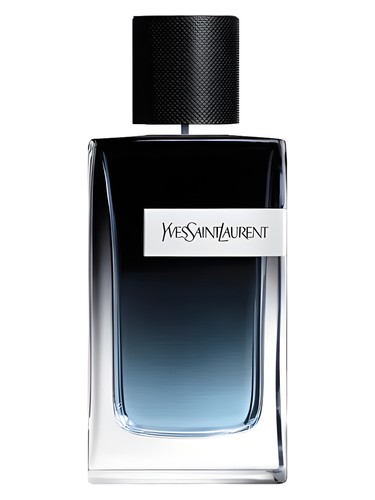
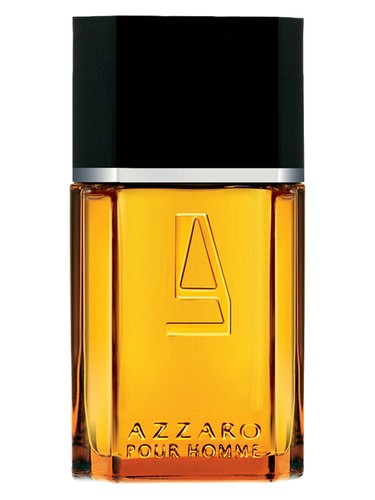
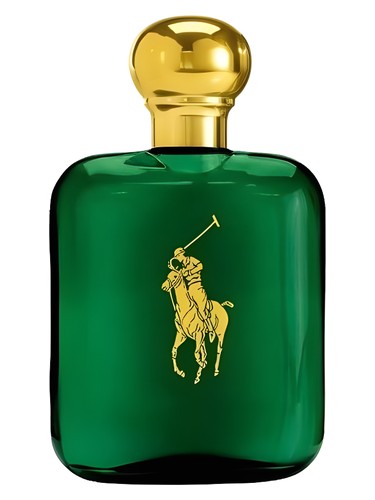
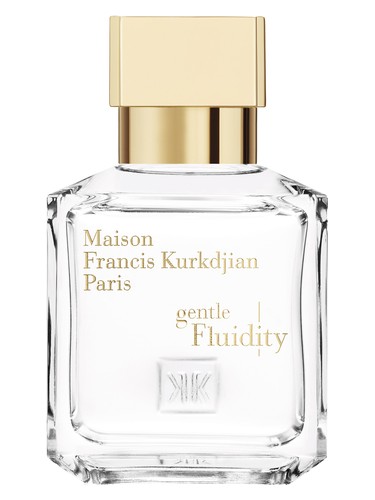
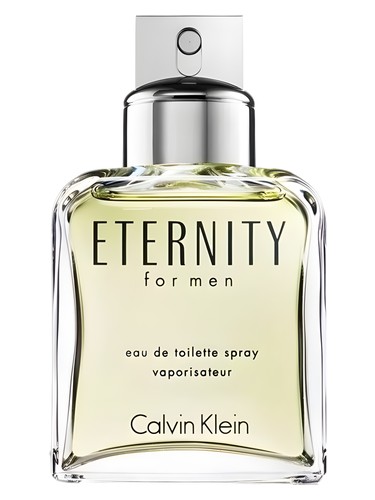
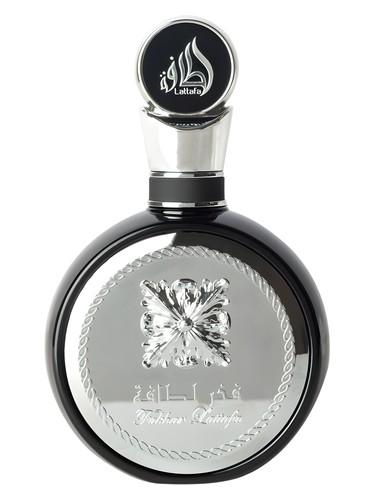
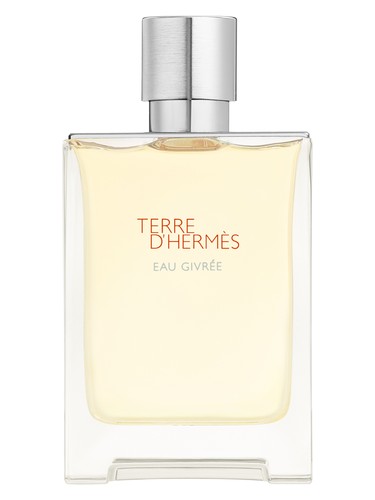
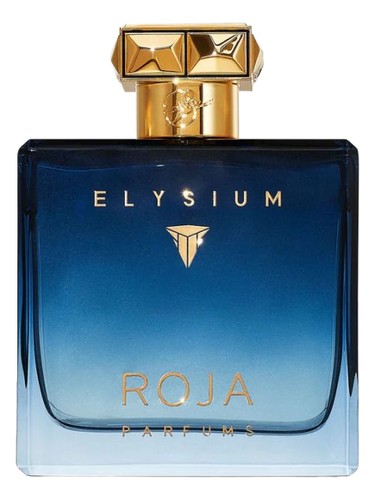
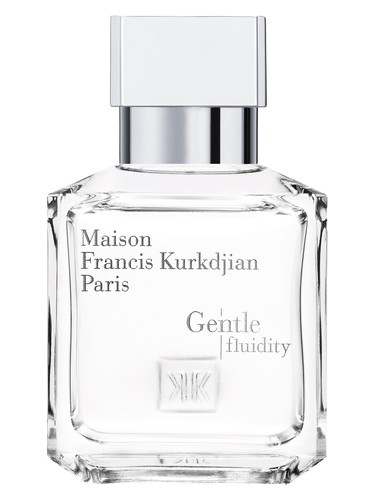
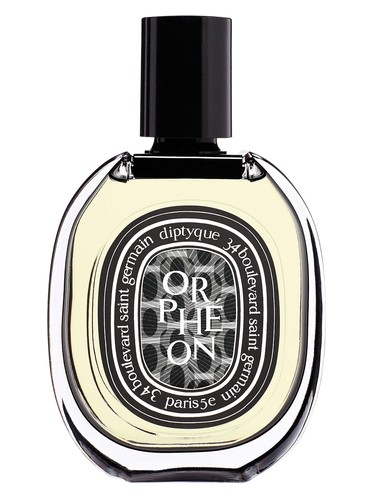
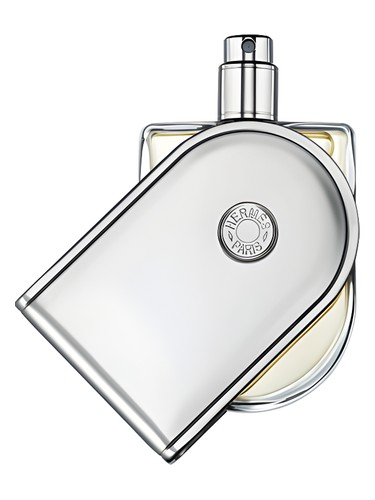
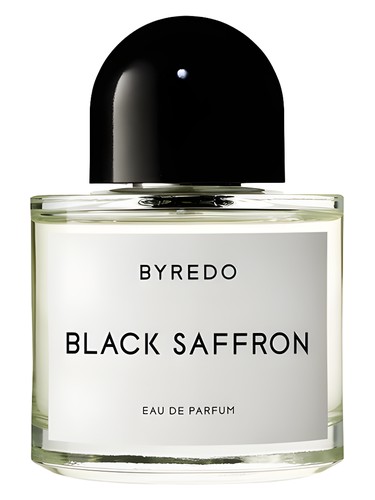
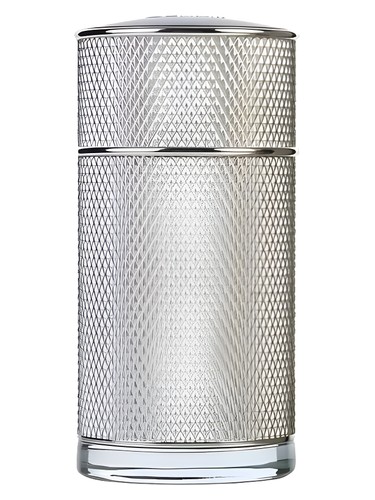
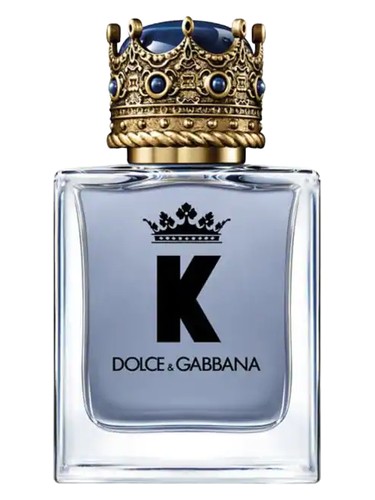
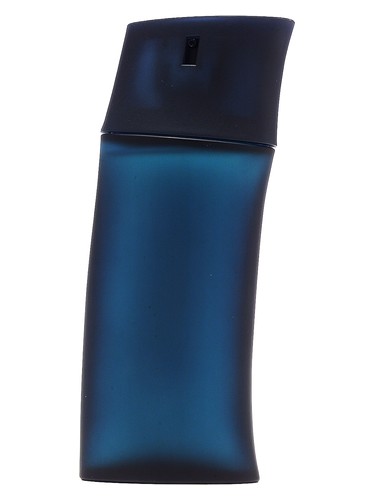
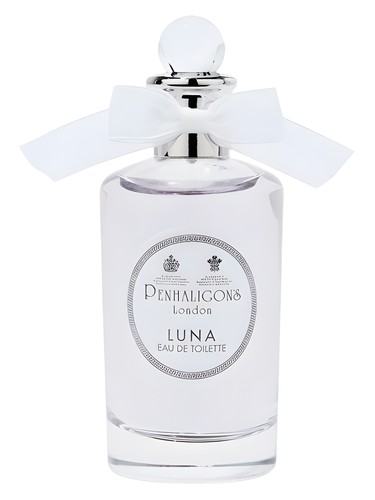
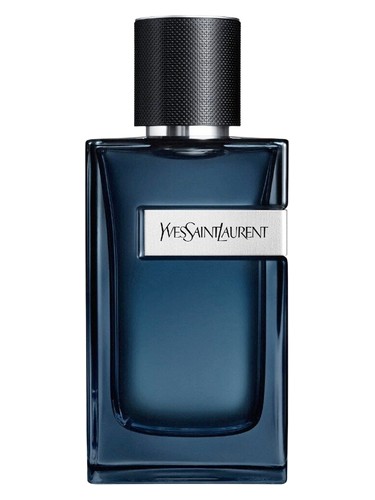
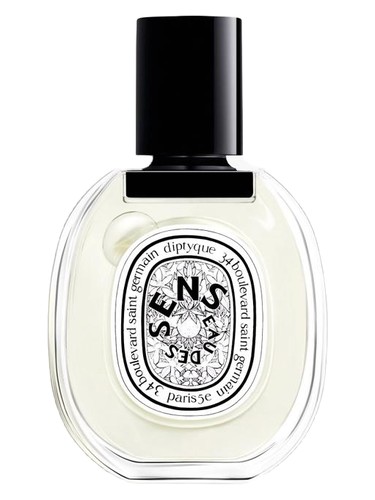
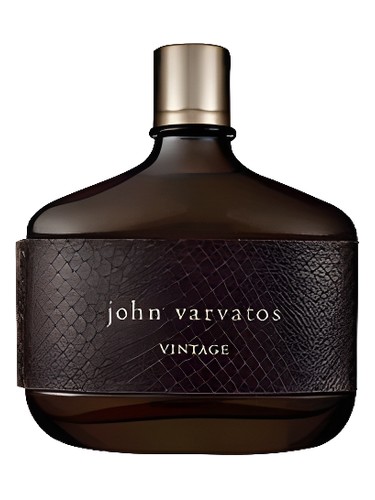
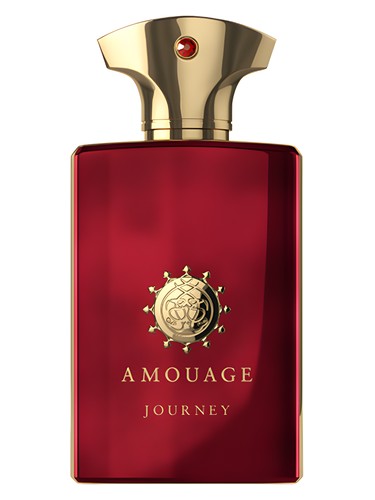
Well-known fragrances with Juniper Berries
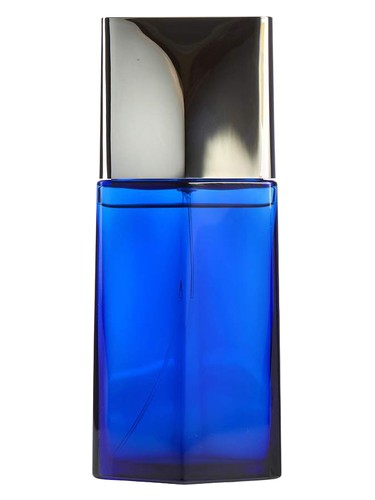
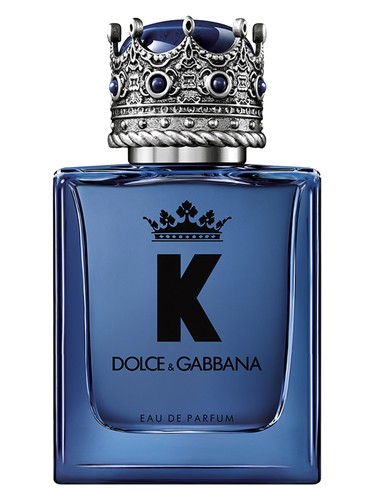
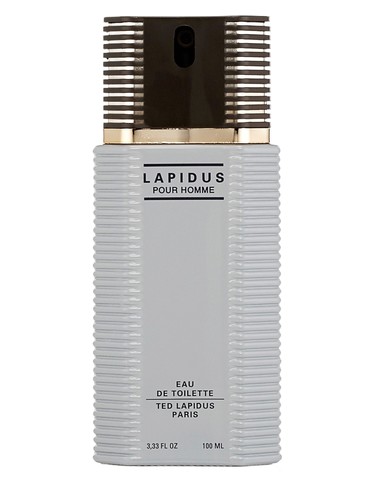
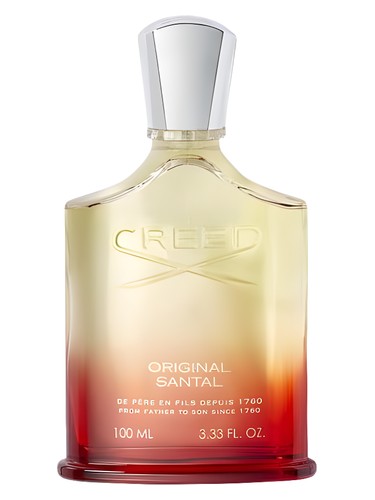
Fragrances that list it in their notes, most-rated first.
Houses that use it most
Ranked by how many of their well-known fragrances list Juniper Berries.