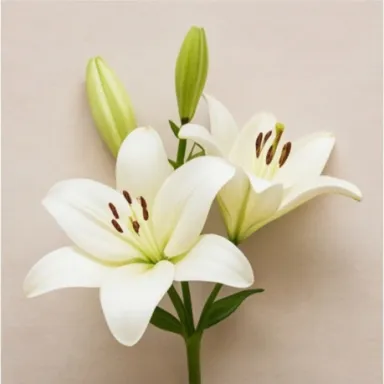
Lily
A rich, sweet white flower with green freshness, soft spice, and a faint animal-like warmth.
You may know it from A freshly opened garden lily
Where it comes from
Usually reconstructed from aroma chemicals because lily flowers provide no practical perfume extract.
Botanical name: Lilium
Worth knowing
It usually describes a recreated scent, not an extract from real lilies.
About lily
Lilies of the genus Lilium grow from bulbs and carry large flowers, and the trumpet-shaped ones tend to be strongly fragrant, often most of all at night. In the Oriental hybrid 'Siberia', which has been studied closely, the release of methyl benzoate and ethyl benzoate is rhythmic and follows the stage of the flower, so the bloom does not smell the same at every hour. True lilies are also highly toxic to cats.
People have been growing the best-known species for a very long time. The Madonna lily, Lilium candidum, is native to the Balkans and the Middle East and has been cultivated for at least 3,000 years. Archaeological evidence suggests Minoans, Mycenaeans and later Greek and Roman gardeners grew it.
What goes into a bottle is less settled. Measurements on 'Siberia' found a mix dominated by monoterpenes and benzenoids, with cis-beta-ocimene, linalool and methyl benzoate released in the largest amounts, and traces of eugenol and benzyl benzoate. Methyl benzoate has a narcotic-floral odour with phenolic and fruity overtones, and perfumers use it in white floral bases such as ylang-ylang, tuberose and narcissus. Sources differ on how a lily note is made. The Perfume Society describes perfumers using headspace technology to analyse the air around the bloom and recreate what they find. A perfumery glossary treats Casablanca lily as a crafted accord of tuberose, gardenia, plum and honey rather than something built from lily essence, with eugenol giving it a spicy, clove-like facet and a creamy, sweet body that turns honeyed and woody after a fruity-floral opening.
Lily-of-the-valley, Convallaria majalis, is a different plant, and its scent is also recreated synthetically, often with hydroxycitronellal, which Knoll & Co. first marketed between 1905 and 1908. That shared dependence on lab-made materials is one reason the two notes get mixed up on labels.
Accords it shows up in
How many of the fragrances listing Lily in our catalogue also carry each accord. We counted this ourselves.
Often paired with
The notes that appear next to Lily most often in our catalogue.











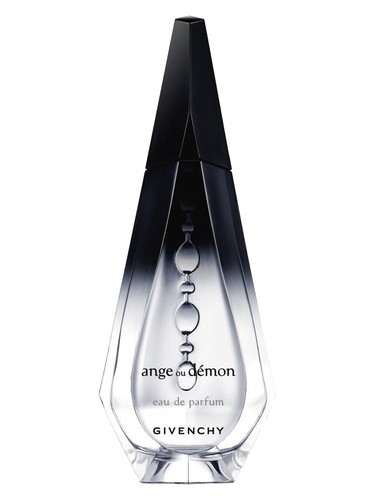
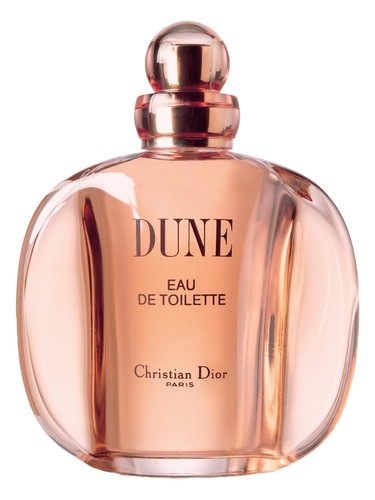
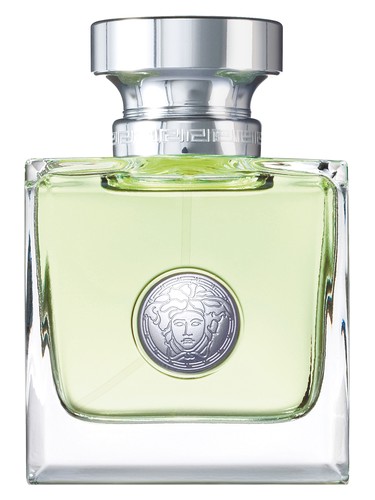
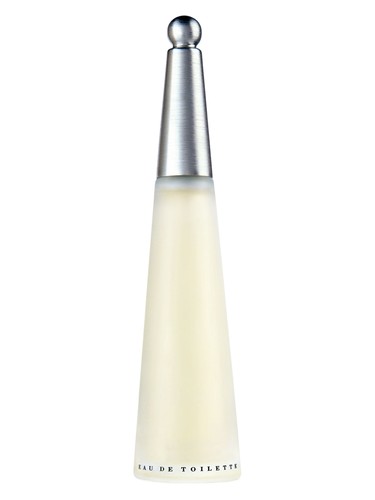
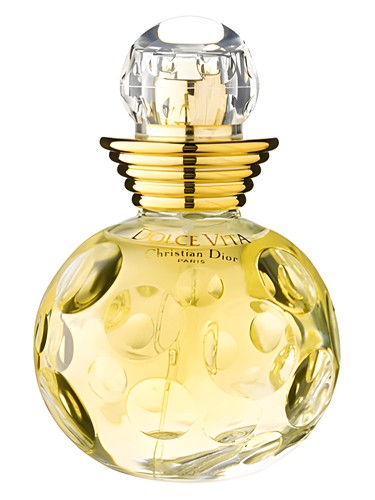
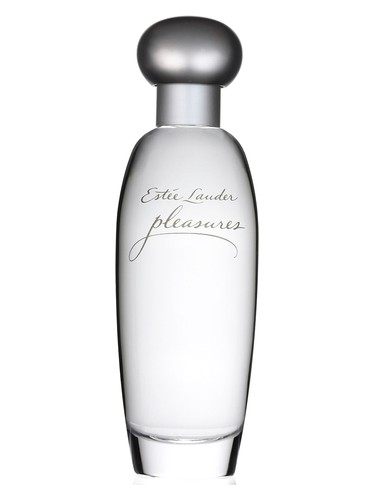
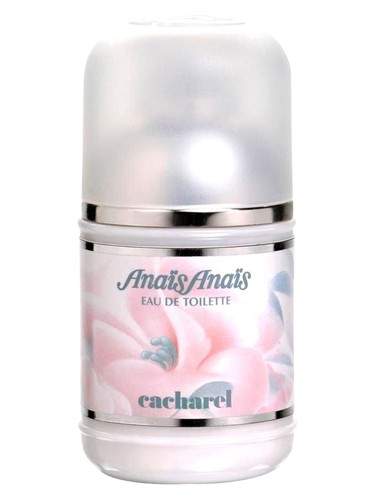
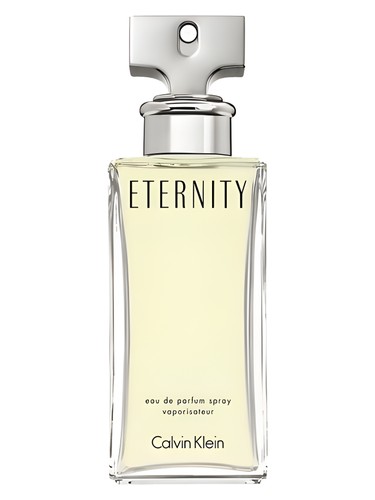
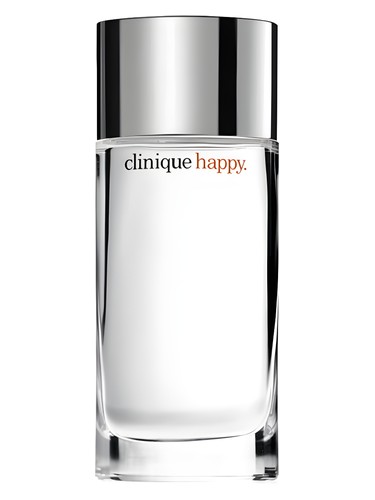
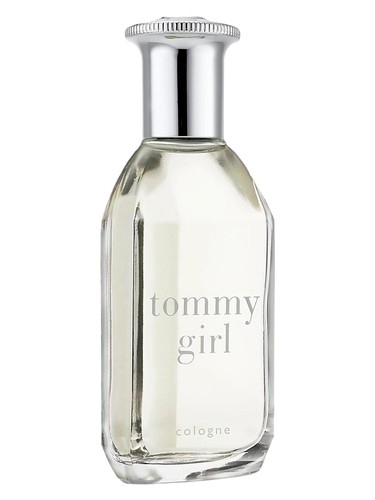
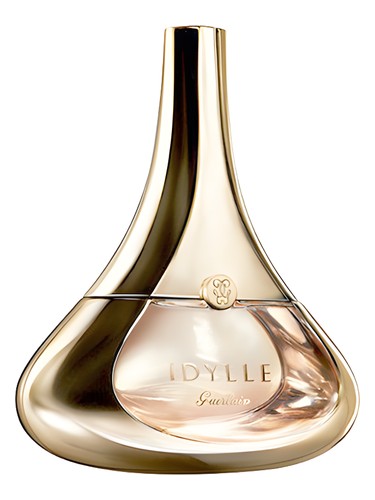
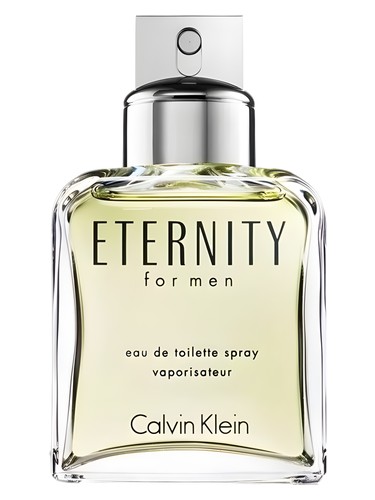
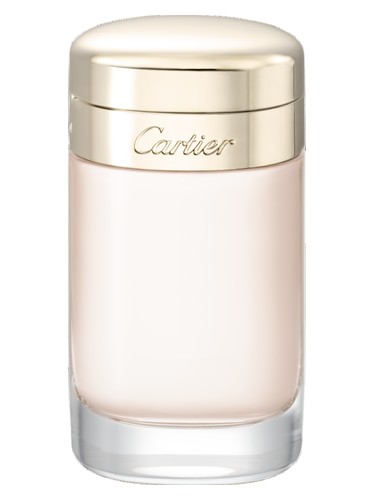
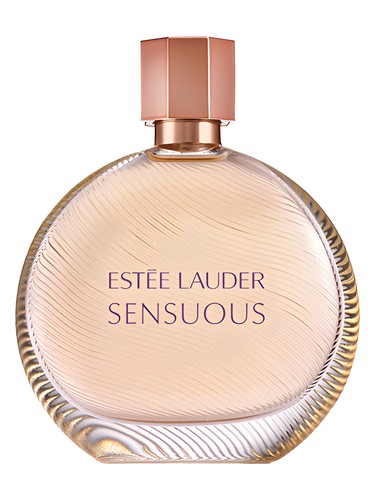
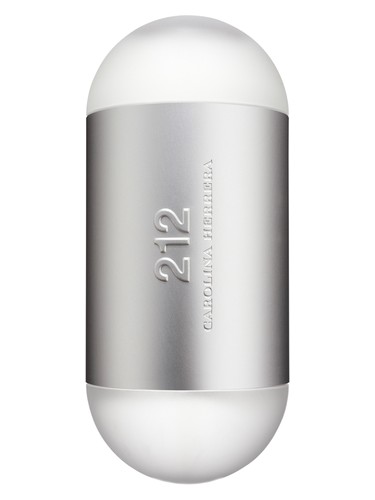
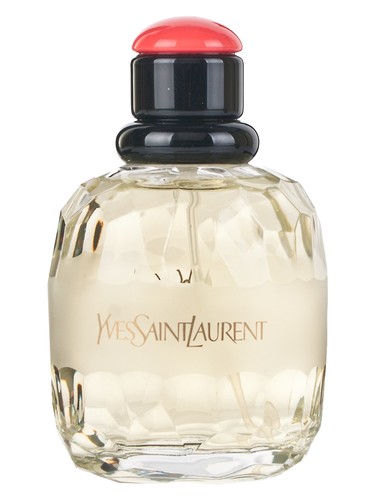
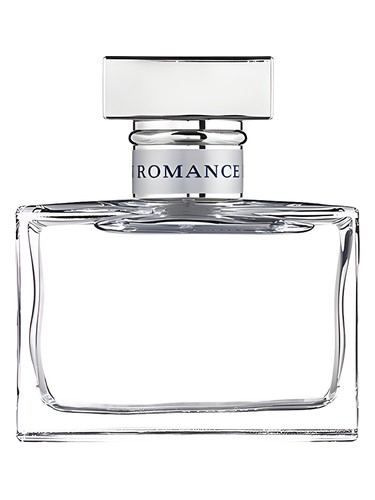
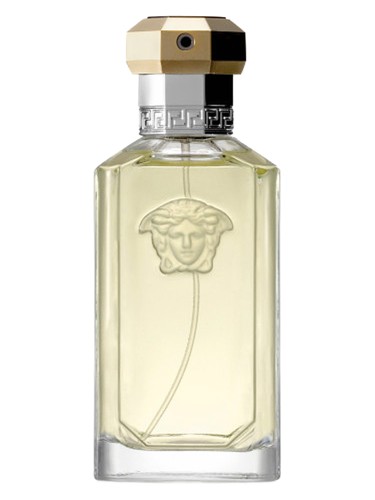
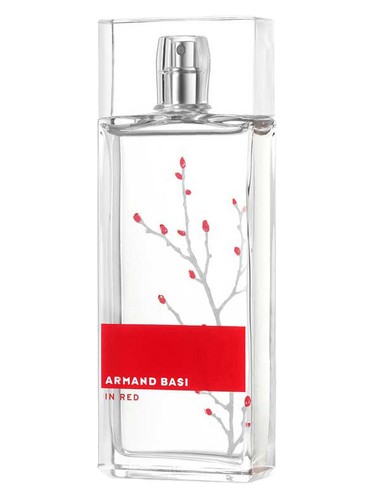
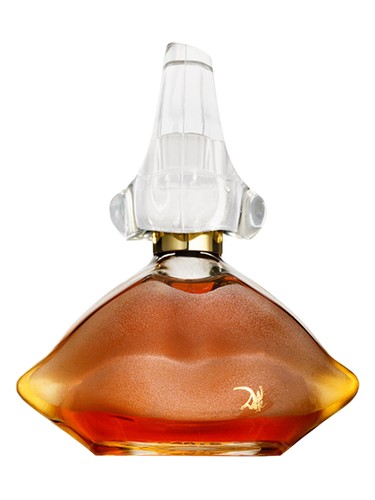
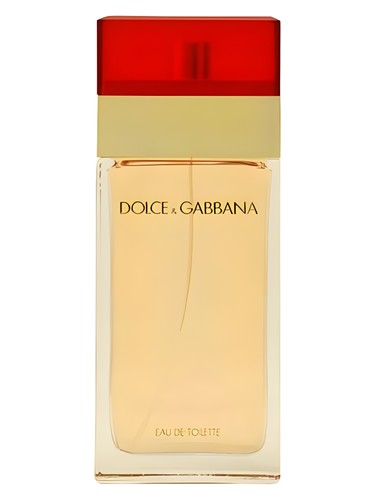
Well-known fragrances with Lily
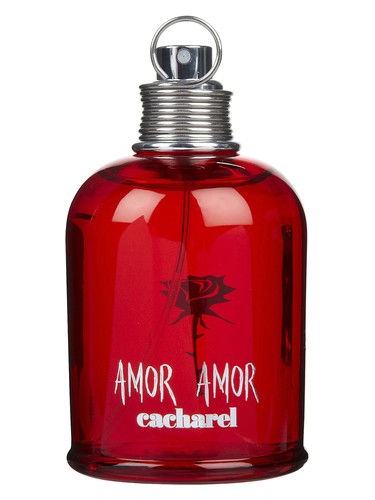
Fragrances that list it in their notes, most-rated first.
Houses that use it most
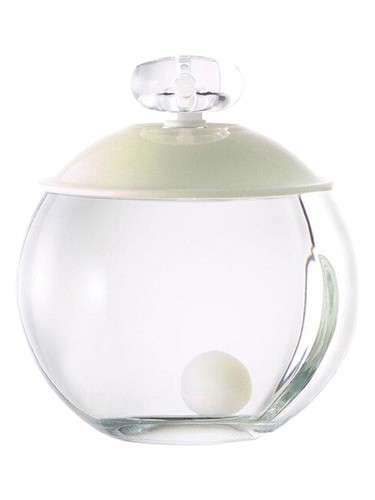
Ranked by how many of their well-known fragrances list Lily.