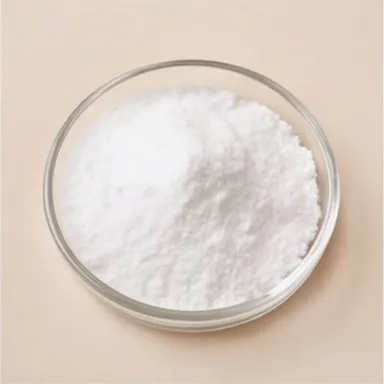
Ambroxan
Dry, warm wood with clean musk and a faint salty sea-air touch.
Where it comes from
Usually made synthetically, often from plant-derived sclareol.
Worth knowing
Despite resembling ambergris, it is usually not made from whale ambergris.
About ambroxan
Ambroxan is a single molecule, ambroxide, and it existed in ambergris long before anyone made it. Ambergris forms in the gut of sperm whales. As it floats at sea for years, its main compound, ambrein, oxidises, and ambroxide is one of the results, one of the main reasons aged ambergris smells as it does. Several countries ban the trade in natural ambergris, which is one reason perfumers use the molecule instead.
No commercial version comes from a whale. The classic route starts from sclareol, taken from clary sage, and reaches ambroxide in three chemical steps. Givaudan's Ambrofix starts from sugar cane instead and gets there by bioconversion; Givaudan says it uses 100% renewable carbon. The same material is sold under a different name by each house: Ambrofix (Givaudan), Ambermor (IFF), Ambrox Super (dsm-firmenich), Ambroxide cryst. (Symrise), Orcanox (Mane). Sources disagree on who owns the name Ambroxan itself. Wikipedia lists it as a Kao name.
It smells woody, musky and a little salty. Scentspiracy describes Ambroxan opening like driftwood and drying down to powdered cedar, and notes how long it holds on skin and fabric. Escentric Molecules' Molecule 02 is built on it alone.
IFRA puts no limit on how much a perfume may use, and it is not on the EU allergen list.
Accords it shows up in
How many of the fragrances listing Ambroxan in our catalogue also carry each accord. We counted this ourselves.
Often paired with
The notes that appear next to Ambroxan most often in our catalogue.











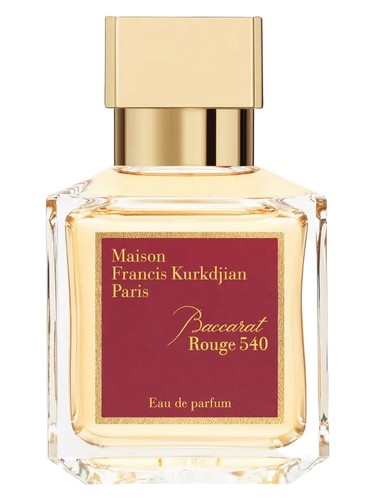
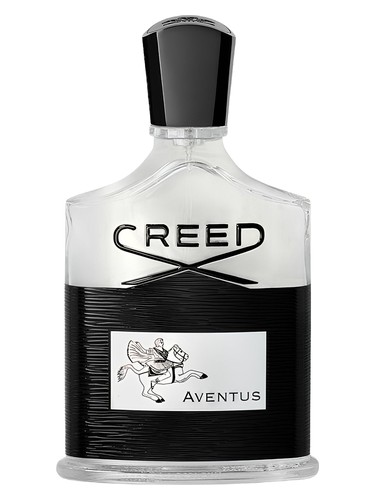
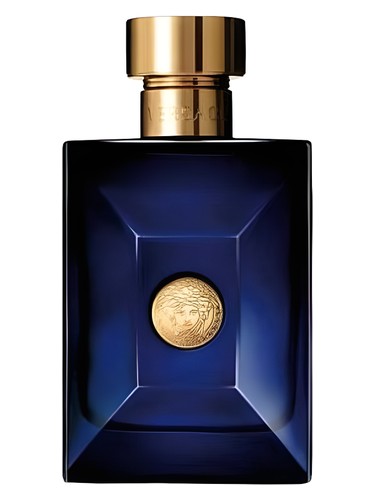
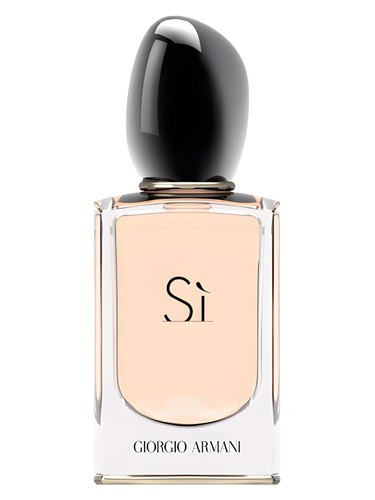
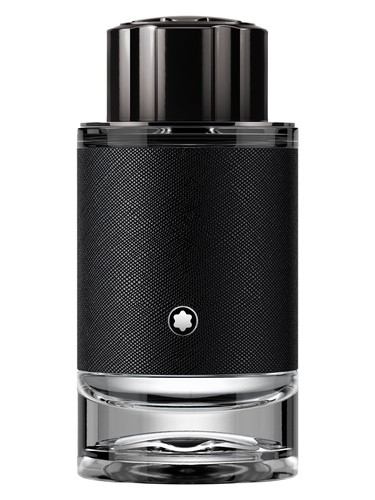
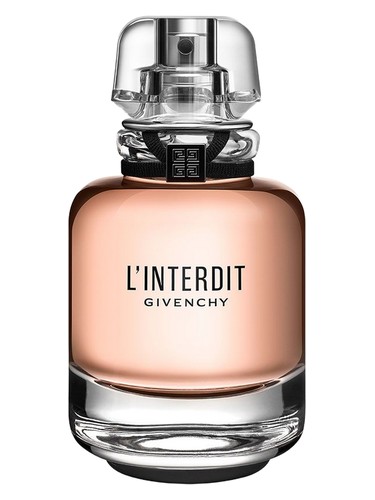
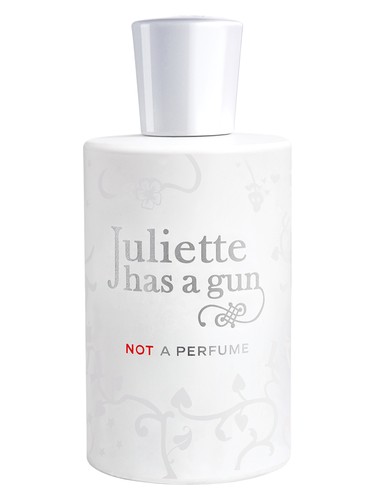
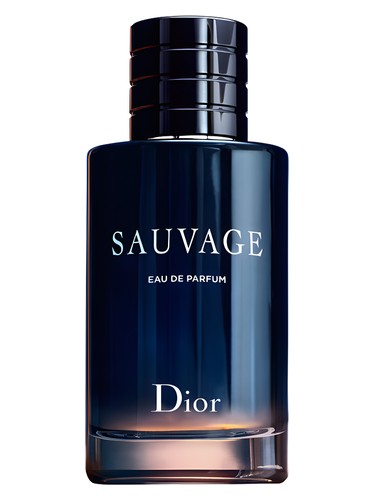
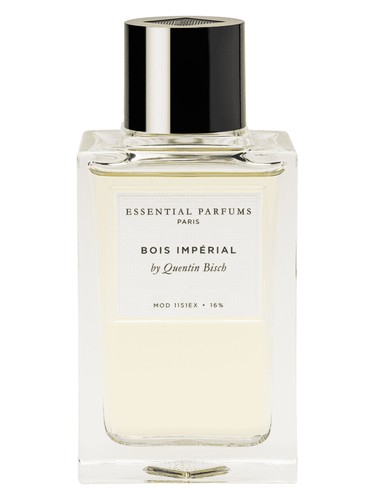
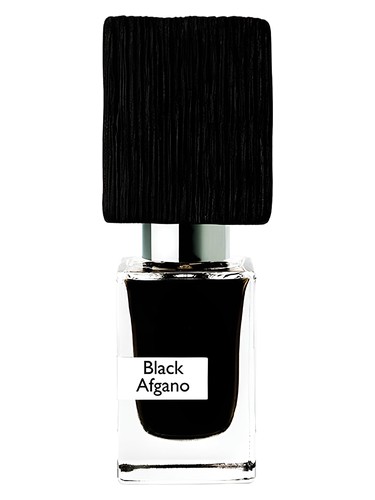
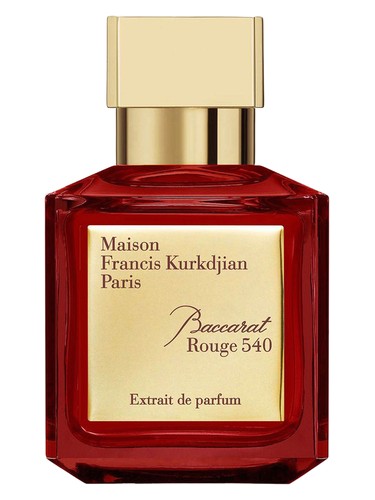
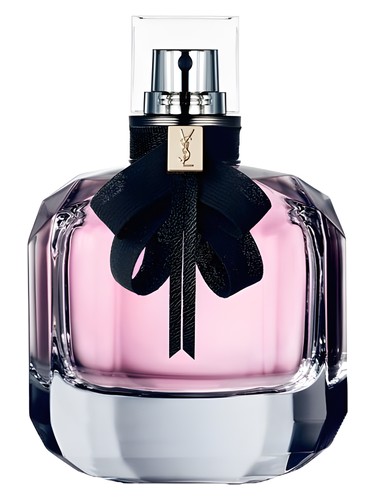
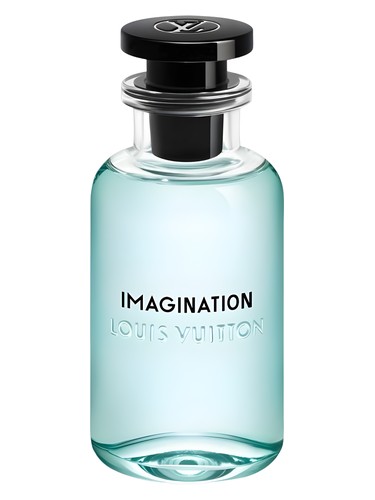
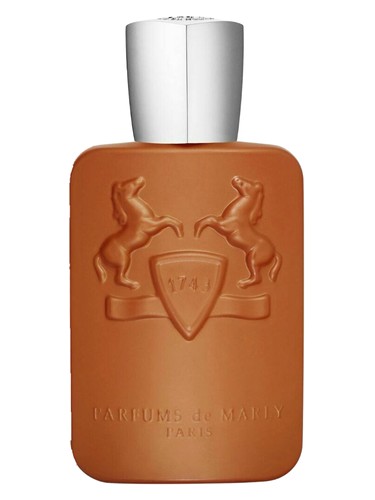
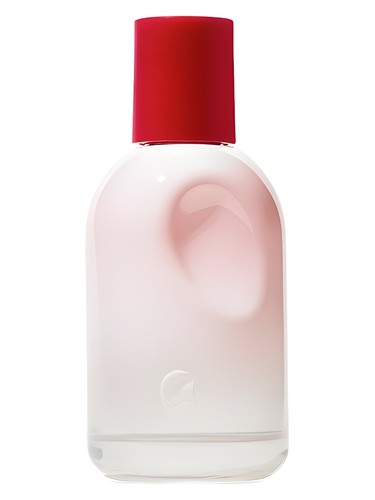
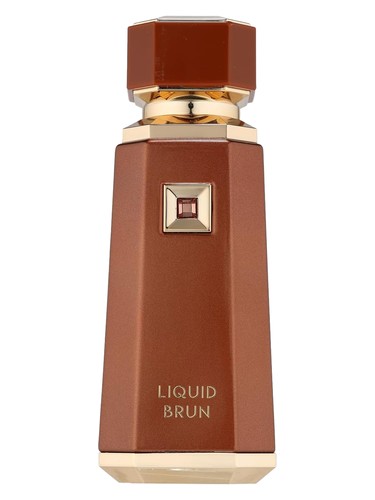
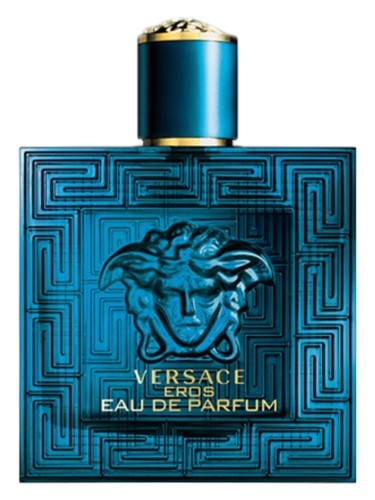
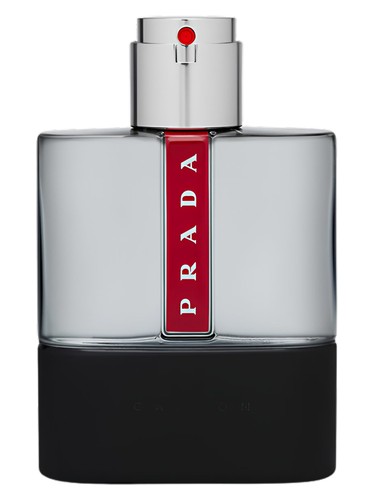
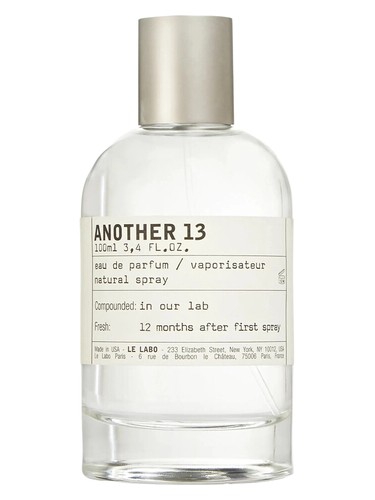
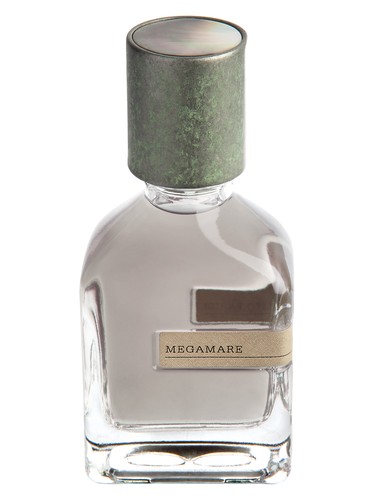
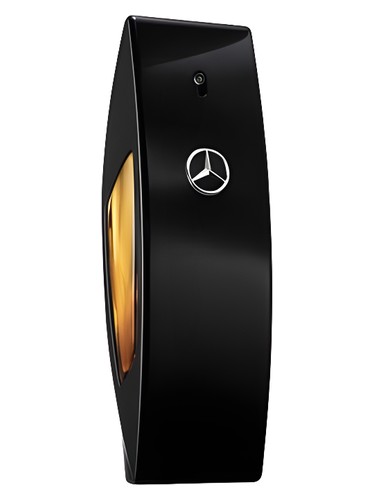
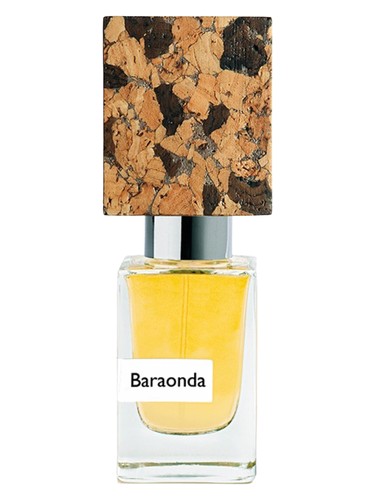
Well-known fragrances with Ambroxan
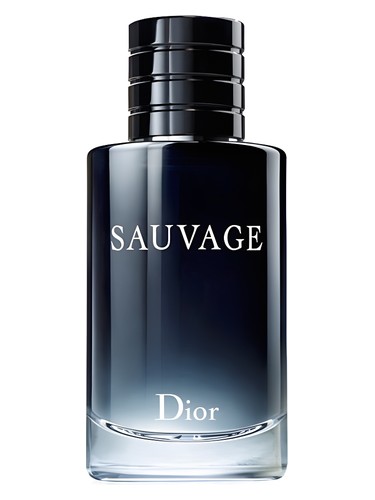
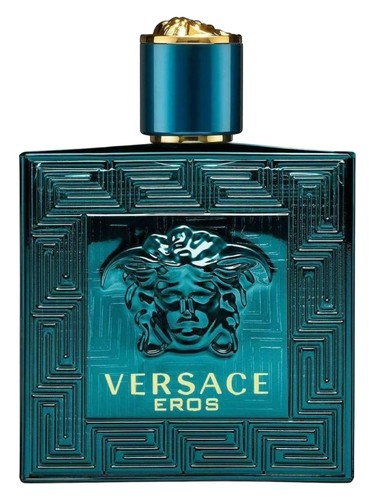
Fragrances that list it in their notes, most-rated first.
Houses that use it most
Ranked by how many of their well-known fragrances list Ambroxan.