DK
Fragrance notes



Character
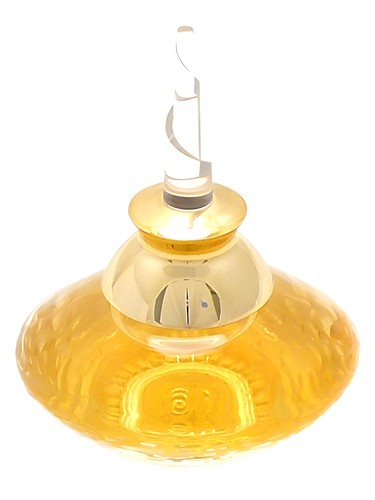
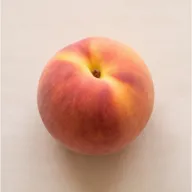
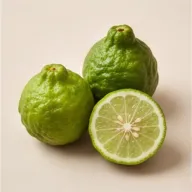
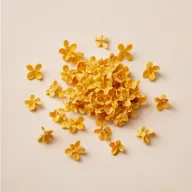
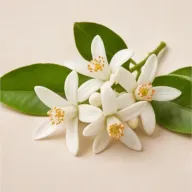
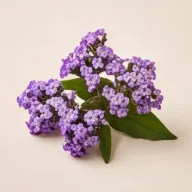
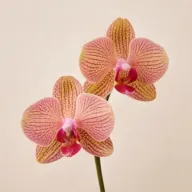
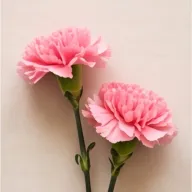
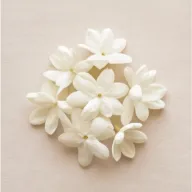
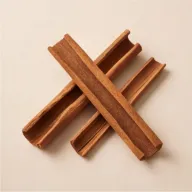
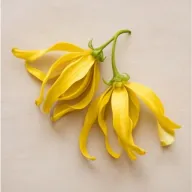
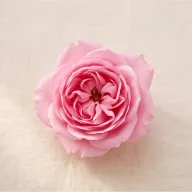
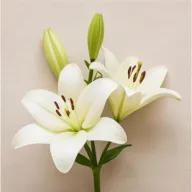
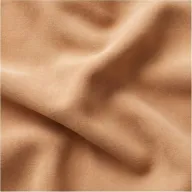
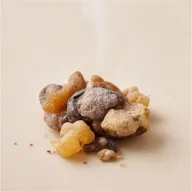
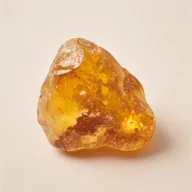
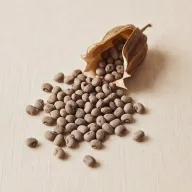
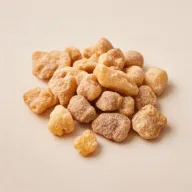
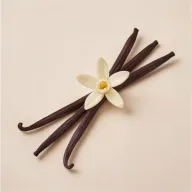
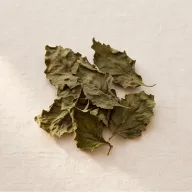
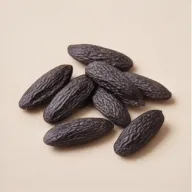
This is a fragrance that opens like a gloved hand offering a basket of overripe fruit, pineapple and peach and apricot all smeared together with a dusting of osmanthus and orange blossom. The green notes keep it from tipping into jam, but barely. Within minutes the heart lunges forward, a dense bouquet of heliotrope, orchid, carnation, jasmine, rose, lily, ylang-ylang, and cassia, a floral intrusion so complete that anyone expecting a conventional masculine will feel ambushed. And yet the drydown is where DK earns its stripes, because the suede and incense and benzoin and tonka gather those powdery petals into something darker, a sweet amber wood softened by vanilla and sandalwood and the ghost of patchouli and vetiver. The overall character is a crushed corsage pressed inside a leather-bound journal, floral and powdery and warm, with a weight that leans decidedly heavy and sweet. It feels thoroughly synthetic in the best 1990s fashion, a mainstream ambition that landed somewhere between department store glitz and quiet luxury. The numbers tell the truth: longevity is solid but not heroic, and sillage is modest, close to the skin, which means it rewards the wearer more than the room. That low projection is actually a strength for fall and winter evenings when you want the scent to feel like a secret. Who should wear it Someone who loves baroque floral textures and isn’t afraid of a little powder on their collar. Who should skip Anyone who wants a clean citrus or a sharp aromatic, because this is a velvet pillow of a fragrance, not a cold shower. Wear it to a bookshop in November or a dinner where the lights are low and the conversation is slow.
Smells similar
We matched these by the notes each one lists, giving more weight to the unusual ones they share. Sharing materials does not make one a copy of the other.