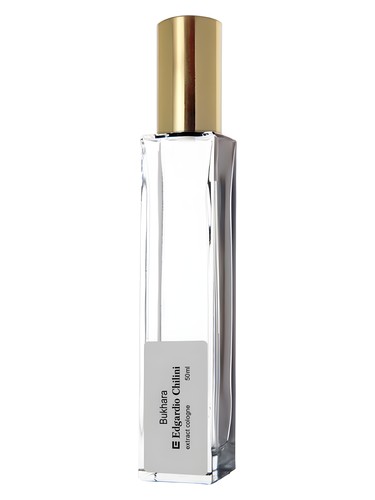
Bukhara
Fragrance notes




 Honey
Honey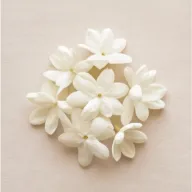 Jasmine
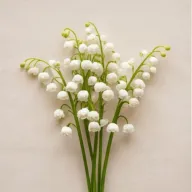 Lily-of-the-Valley
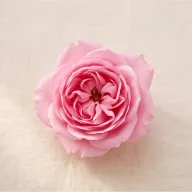
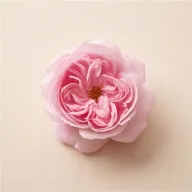 Bulgarian RoseRed Cyclamen
 NarcissusBlue HyacinthViolet Root
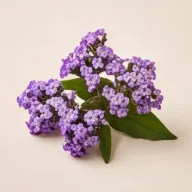 Heliotrope
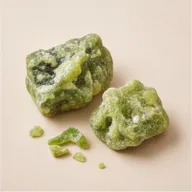 Galbanum
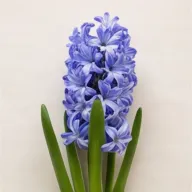 Hyacinth
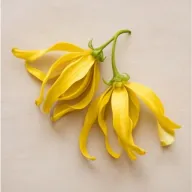 Ylang-Ylang
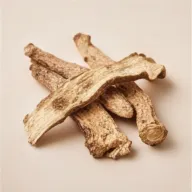 Orris
Orris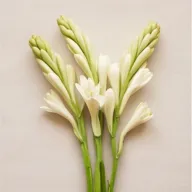 Tuberose
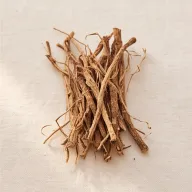

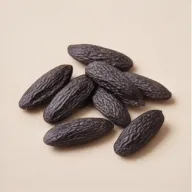
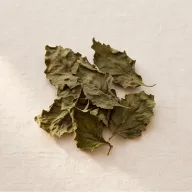
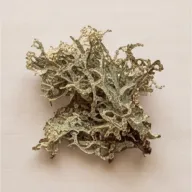

Character
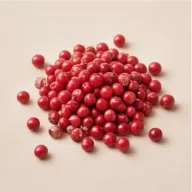
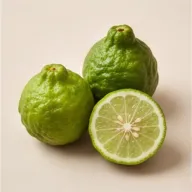
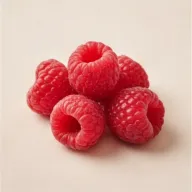
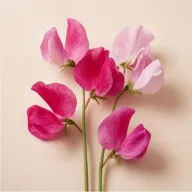
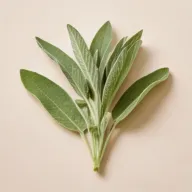
Bukhara asks a lot of the person wearing it. The opening is crowded with more than a dozen notes that compete for attention at once. Mango, mandarin, nectarine, black currant, peach blossom, pink pepper, bergamot, elemi, raspberry, rose, sweet pea, sage, and reseda all arrive together, and the result can feel busy rather than layered. This is not a quiet introduction, and anyone who prefers a clean, minimal start will find it overwhelming before the composition settles.
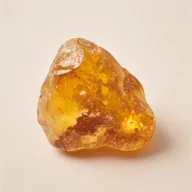
Once the heart emerges, the argument for Bukhara becomes clear. Honey, jasmine, lily-of-the-valley, Bulgarian rose, red cyclamen, narcissus, blue hyacinth, violet root, heliotrope, galbanum, hyacinth, ylang-ylang, orris, and tuberose create a thick, golden floral core that leans heavily into sweetness. The honey accord ties the flowers together and pushes the fragrance toward a lush, opulent character. It suits someone who enjoys bold, ornate scents and wants to feel dressed even on an ordinary day.
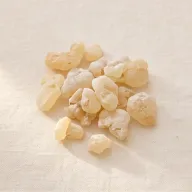
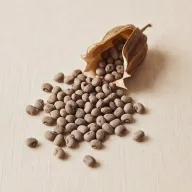
The finish grounds that abundance with sandalwood, vetiver, cedar, tonka bean, patchouli, oakmoss, amber, civet, and musk. These base notes add wood and earth to balance the fruit and honey, but the overall impression stays rich and powdery. It is a scent for clear autumn afternoons when the light is bright and the air feels crisp, the kind of day when a heavy coat and a warm drink make sense.
You step outside and the air smells like a garden that has been sealed under glass since summer, still humid with nectar and petals, waiting for the first cold wind to break the seal.
Smells similar
We matched these by the notes each one lists, giving more weight to the unusual ones they share. Sharing materials does not make one a copy of the other.